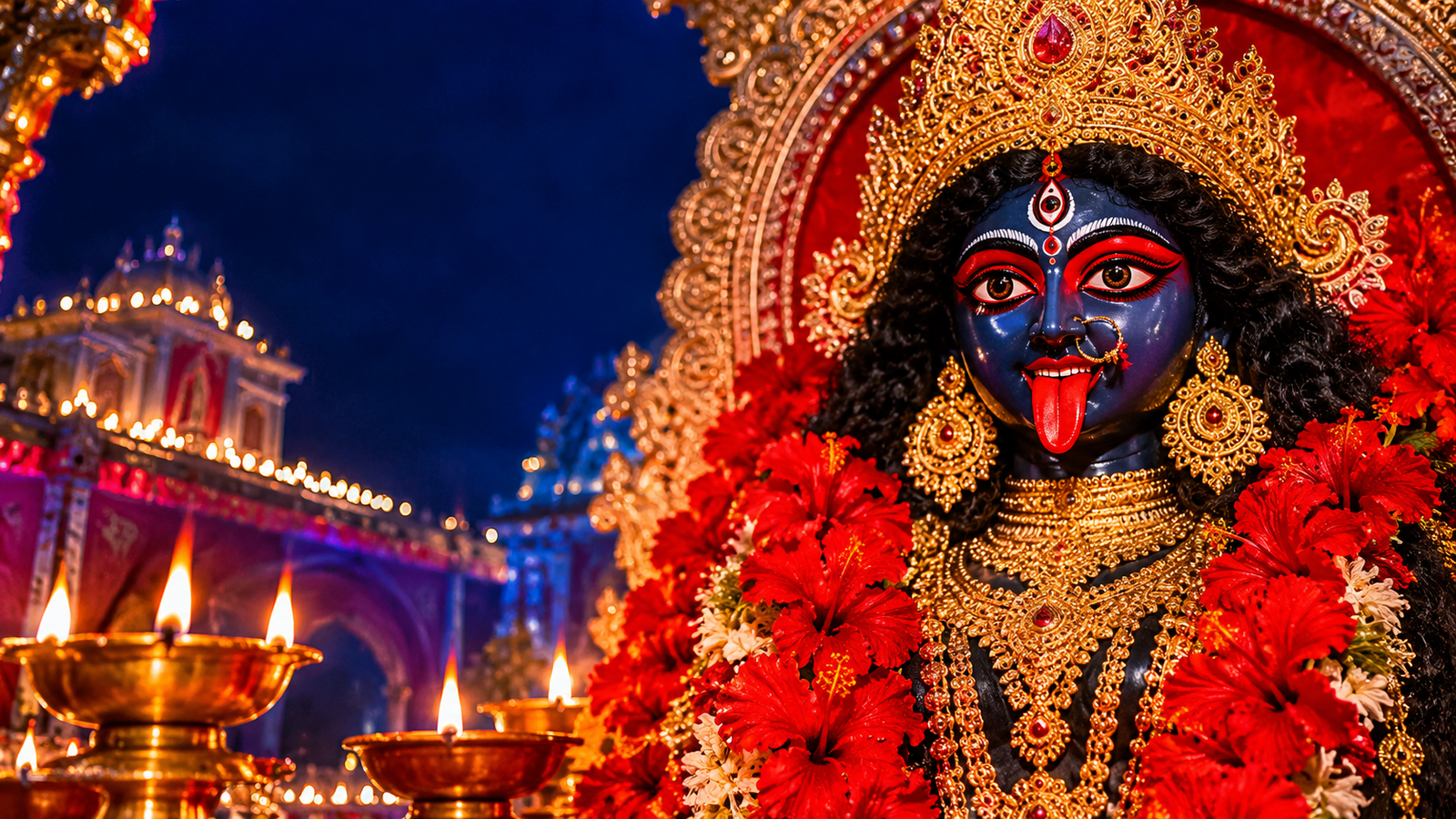
Discover Lakshmi Puja 2026 traditions, puja vidhi, offerings, Bengali customs, spiritual significance and celebration ideas with Trending News Fox.
By Trending News Fox, Kolkata, October 24, 2026
Lakshmi Puja 2026: Date, Significance, Puja Vidhi, Bengali Traditions and the Blessings of Goddess Lakshmi
Introduction: A Festival of Faith, Prosperity and Hope
Lakshmi Puja holds a special place in the hearts of millions of devotees across India, particularly in West Bengal, where the worship of Goddess Lakshmi is an important part of Bengali cultural and religious life. Dedicated to Goddess Lakshmi, the Hindu deity associated with wealth, prosperity, good fortune and abundance, this sacred occasion brings families together through prayers, traditional offerings, beautifully decorated homes and a deep sense of spiritual devotion.
For Bengali households, Lakshmi Puja is more than a religious ceremony. It represents the hope for financial stability, peace within the family, success in work and business, and a prosperous future. The festival also celebrates gratitude for the resources people have received and encourages them to welcome the coming days with positivity.
As Lakshmi Puja 2026 approaches, devotees are preparing to follow traditional rituals, arrange puja samagri, decorate their homes with alpana designs and offer prayers to the goddess. From the distinctive customs of Bengal to the broader traditions observed across India, the festival reflects the enduring connection between faith, family and community.
In this special feature, Trending News Fox explores the significance of Lakshmi Puja, traditional worship methods, important offerings, Bengali customs and practical tips for celebrating the occasion meaningfully.
When Is Lakshmi Puja 2026?
In Bengal, Kojagari Lakshmi Puja is traditionally observed on the full moon day, or Purnima, of the Hindu lunar month of Ashwin. It usually follows the major Durga Puja celebrations and is an important autumn festival for Bengali families.
In 2026, Kojagari Lakshmi Puja falls on Sunday, 25 October 2026, according to commonly published festival calendars. However, the precise observance and puja timings should be confirmed against a reliable local Bengali panjika, as lunar dates and ritual timings can vary by location and calendrical tradition.
The name Kojagari is associated with the traditional question, “Ko jagarti?” meaning “Who is awake?” According to popular religious belief, devotees remain awake during the auspicious full-moon night to worship Goddess Lakshmi and seek blessings for prosperity and well-being.
Families planning their celebrations should check the local panchang for the relevant Purnima tithi and recommended puja muhurat before beginning the rituals.
Why Is Lakshmi Puja Celebrated?
Goddess Lakshmi is revered as the embodiment of prosperity, auspiciousness, abundance and well-being. In Hindu tradition, she is often depicted seated on a lotus, symbolising purity, spiritual growth and beauty.
The worship of Lakshmi expresses the desire for prosperity that goes beyond material wealth. Devotees also pray for good health, harmony, wisdom, responsible financial management and peace within their households.
In Bengali tradition, Lakshmi Puja has a distinctive place in the annual festive calendar. While many parts of India associate Lakshmi worship with Diwali, Bengali households widely celebrate Kojagari Lakshmi Puja after Durga Puja.
The occasion reminds people that prosperity is best accompanied by honesty, discipline, generosity and gratitude. It also offers families an opportunity to pause from their busy routines and reconnect with their spiritual and cultural roots.
Bengali Lakshmi Puja Traditions: What Makes the Celebration Special?
Bengal’s celebration of Lakshmi Puja is known for its simplicity, devotion and distinctive household customs.
1. Cleaning and Decorating the Home
Devotees traditionally clean their homes before the puja, believing that a clean and welcoming environment represents respect for the goddess. Entrances, prayer spaces and courtyards may be decorated with flowers, lamps and traditional alpana designs.
Alpana, created using rice paste or other traditional materials, is one of the most recognisable features of Bengali Lakshmi Puja. Designs may include lotus flowers, circular patterns and symbolic footprints representing the goddess entering the home.
2. The Significance of Goddess Lakshmi’s Footprints
Many Bengali households draw small footprints near the entrance and around the puja area. These marks symbolise an invitation for Goddess Lakshmi to enter the home and bless the family.
The practice is especially meaningful to devotees who regard the goddess as a symbol of good fortune, abundance and auspicious beginnings.
3. Traditional Puja Arrangements
A puja altar may feature an image or idol of Goddess Lakshmi, flowers, a lamp, incense, fruits, sweets and other customary offerings. Some families also include paddy, coins, rice and traditional household symbols associated with abundance.
Practices differ between households and regions. Families generally follow their established customs or seek guidance from a priest when observing specific rituals.
4. Family Prayers and Devotional Songs
Lakshmi Puja is often celebrated with collective prayers, devotional songs and the recitation of religious texts. Family members participate according to their customs, helping younger generations learn about Bengali heritage.
For many households, the shared experience of preparing the puja, arranging offerings and praying together is just as meaningful as the ceremony itself.
Lakshmi Puja Vidhi: How to Perform the Puja at Home
Devotees can observe a simple home puja according to their family traditions. The following steps provide a general guide rather than a substitute for a particular regional ritual manual.
Step 1: Clean the prayer area. Prepare a clean space for the image or idol of Goddess Lakshmi. Decorate it with flowers, an alpana design and suitable traditional items.
Step 2: Arrange the puja samagri. Common items include flowers, fruits, sweets, rice, water, incense, a diya, a plate for offerings and a clean cloth. Add any other items required by your family tradition.
Step 3: Begin with a prayer. Sit calmly before the altar and offer a prayer according to your customary practice. Some families begin by remembering Lord Ganesha before worshipping Goddess Lakshmi.
Step 4: Offer flowers and bhog. Present flowers, fruits, sweets and other customary offerings with devotion. Offerings may vary depending on local traditions and family preferences.
Step 5: Recite prayers or perform the aarti. Families may recite Lakshmi mantras, read traditional stories or perform aarti. Those unfamiliar with the rituals can follow a trusted prayer book or seek guidance from a knowledgeable priest.
Step 6: Conclude with gratitude. Pray for peace, well-being, wisdom and prosperity. Distribute prasad among family members and guests in accordance with your customs.
There is no need to make the celebration expensive. For many devotees, sincerity, cleanliness and a peaceful atmosphere are the most important elements of worship.
Lakshmi Puja Bhog: Traditional Offerings and Sweets
Food plays an important role in Bengali festivals, and Lakshmi Puja is no exception. Many families prepare traditional dishes and sweets as offerings to the goddess before sharing them with relatives and guests.
Common offerings may include:
- Narkel naru: Coconut-based sweets that are popular during Bengali festivals.
- Moa: A traditional sweet often prepared with puffed rice and jaggery.
- Sandesh: A well-known Bengali sweet made primarily from chhena.
- Fruits: Bananas, apples and seasonal fruits are common offerings.
- Rice and other traditional items: Some households offer rice, paddy or other ingredients associated with abundance.
- Homemade sweets and bhog: Families may prepare additional foods according to their customs.
The exact menu differs from one household to another. Devotees should follow their customary practices and prepare offerings in a clean environment.
For a more meaningful celebration, families can also share food with neighbours, support people in need or reduce food waste after the puja.
Kojagari Purnima and the Tradition of Staying Awake
One of the distinctive aspects of Kojagari Lakshmi Puja is the association with remaining awake during the full-moon night.
Popular religious traditions connect the night with the belief that Goddess Lakshmi blesses those who remain devoted and attentive to their spiritual duties. Families may spend the evening praying, singing devotional songs, reading religious stories or sharing time together.
The tradition is an expression of faith rather than a requirement to compromise one’s health. Elderly people, children and anyone who needs adequate rest can participate in ways appropriate to their circumstances.
The full-moon setting also gives the festival a special atmosphere, with illuminated homes, decorated prayer spaces and a sense of calm after the energetic Durga Puja season.
Lakshmi Puja in West Bengal: A Celebration Beyond Rituals
Across West Bengal, Lakshmi Puja is observed in homes, neighbourhoods and local communities. In Kolkata, Howrah, Hooghly and other districts, families prepare for the occasion with traditional decorations, household worship and festive food.
The scale of the celebration varies. Some households conduct elaborate ceremonies, while others prefer a simple prayer at home. Both approaches reflect the personal nature of religious observance.
For Bengali families living outside West Bengal, Lakshmi Puja can also become an important way of preserving cultural identity. Traditional recipes, alpana designs, devotional songs and family stories help connect younger generations with their roots.
The festival also offers opportunities for local artisans, flower sellers, sweet shops and small businesses to serve festive demand. Buying locally made decorations and sweets can help support neighbourhood businesses during the season.
How to Celebrate Lakshmi Puja Responsibly in 2026
A meaningful celebration does not need excessive spending or waste. A few thoughtful choices can make the occasion more enjoyable for everyone.
- Plan your budget: Prepare a shopping list and purchase only the items you need.
- Choose reusable decorations: Reuse traditional lamps, cloth decorations and puja accessories where practical.
- Reduce food waste: Prepare suitable quantities of bhog and distribute extra food responsibly.
- Support local businesses: Consider buying flowers, sweets and handmade decorations from local vendors.
- Maintain safety: Keep open flames away from curtains and other combustible materials. Never leave burning lamps unattended.
- Respect different traditions: Customs may vary by family and region, so avoid assuming that every household performs the same rituals.
- Include younger family members: Explain the meaning of alpana, prayers and offerings so children can appreciate the cultural significance of the festival.
These simple steps help preserve the spirit of Lakshmi Puja while encouraging responsible and inclusive celebrations.
Conclusion: Welcome Prosperity with Faith, Gratitude and Good Intentions
Lakshmi Puja 2026 is an opportunity for devotees to celebrate faith, family, cultural heritage and the hope of a better future. In Bengal, the beauty of Kojagari Lakshmi Puja lies in its distinctive customs—from alpana and traditional bhog to household prayers and the warmth of family gatherings.
Although Goddess Lakshmi is associated with wealth and abundance, the deeper message of the festival extends to gratitude, honesty, generosity and peace. A prosperous life is not measured by money alone; it also depends on health, relationships, responsible decisions and the ability to help others.
As households prepare for this auspicious occasion, the most important element remains sincere devotion and a welcoming spirit. May Lakshmi Puja bring happiness, harmony and renewed hope to families celebrating across West Bengal and beyond.
Stay connected with Trending News Fox for more festival updates, Bengali cultural stories, important dates, lifestyle features and news from West Bengal. Share this article with your family and friends, and tell us in the comments: What is your favourite Lakshmi Puja tradition—alpana, homemade bhog, devotional songs or family prayers?
Follow Trending News Fox for more useful festival guides and cultural updates.
Editorial Note
Festival dates and puja timings may vary according to the local panjika and regional customs. Readers should confirm the applicable tithi and muhurat with a reliable Bengali calendar or local priest before performing time-sensitive rituals.
Also, watched ❤️ Heart-Touching Bengali Songs for Lakshmi Puja 2026 🙏✨ | মন ছুঁয়ে যাওয়া লক্ষ্মী পুজোর গান |