Discover head spa benefits, treatment steps, costs in India, scalp-care tips and precautions. Find out whether a head spa is worth trying in 2026.
Head Spa: The Ultimate Guide to Scalp Care, Deep Relaxation and Healthy Hair in 2026
Discover how a head spa treatment combines scalp cleansing, relaxing massage and hair-care rituals to create a refreshing self-care experience.
By Trending News Fox | Health, Beauty & Lifestyle
Introduction: Why Is Head Spa Trending in 2026?
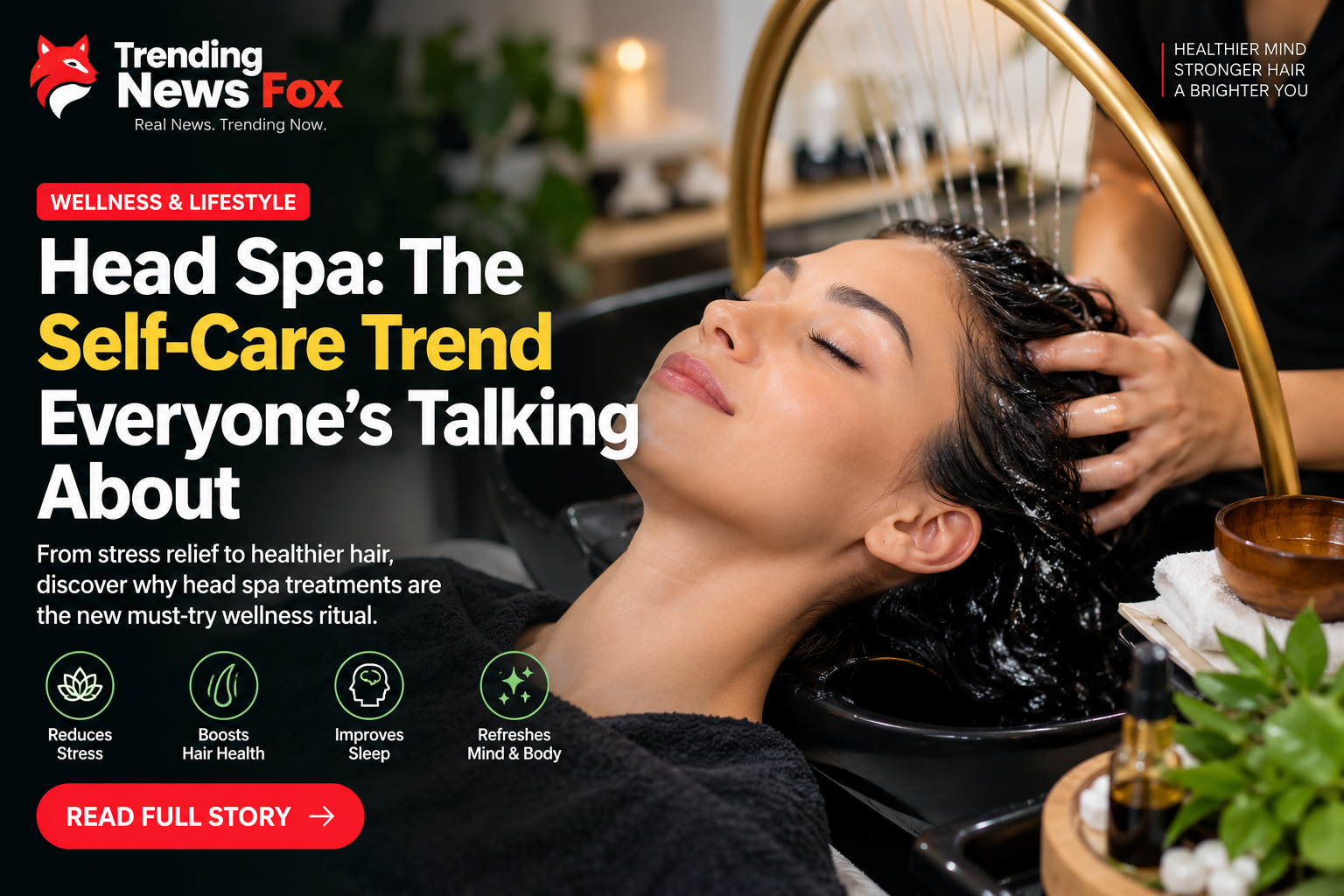
In a world where busy schedules, digital screens and everyday stress dominate modern life, self-care has become more important than ever. One wellness trend attracting attention in the beauty and lifestyle industry is the head spa—a treatment that combines scalp care, gentle massage and relaxation techniques into a soothing experience.
From luxurious salon services to at-home scalp-care routines, head spas are becoming a popular choice for people who want to refresh their scalp, enjoy a relaxing break and improve their hair-care habits.
Unlike a regular shampoo session, a professional head spa may include scalp analysis, cleansing, exfoliation, conditioning treatments, massage and a carefully planned hair-care routine. The exact services depend on the salon and the treatment package.
But is a head spa worth trying? What happens during a session, and can it genuinely improve scalp health?
Trending News Fox explores everything readers need to know about head spa treatments, their potential benefits, costs, precautions and the latest wellness appeal.
What Is a Head Spa?
A head spa is a specialised scalp and hair-care treatment designed to cleanse the scalp, support comfortable scalp hygiene and provide relaxation. Many treatments are inspired by Japanese salon traditions, although services and techniques vary between providers.
A typical session may involve a consultation, scalp cleansing, gentle massage, conditioning products and a final rinse. Some premium salons also offer steam treatments, scalp exfoliation, aromatherapy or specialised equipment.
The central idea is simple: healthy-looking hair begins with appropriate scalp care, while a relaxing treatment can make personal grooming feel like a wellness ritual.
However, a head spa is not a medical treatment for hair loss, dandruff or scalp disease. Its results depend on the products used, the individual’s scalp condition and the quality of the service.
7 Potential Benefits of a Head Spa
1. A Cleaner, Fresher Scalp
Oil, sweat, dead skin cells and styling-product residue can accumulate on the scalp. Appropriate cleansing can help remove buildup and leave the scalp feeling refreshed.
The right shampoo and washing frequency depend on hair type, scalp condition and personal needs. Aggressive scrubbing is unnecessary and may cause irritation.
2. A Relaxing Massage Experience
Gentle scalp massage can feel soothing and may help people unwind after a demanding day. The quiet environment, warm water and slow massage movements can contribute to a relaxing salon experience.
Although massage may temporarily reduce feelings of tension, it should not be promoted as a cure for chronic stress or a mental health condition.
3. Improved Hair and Scalp Comfort
A well-selected treatment can help remove excess oil and leave hair feeling lighter. Conditioning products may also improve softness and manageability.
People with sensitive skin should request fragrance-free or suitable products and ask the salon to explain its ingredients before treatment.
4. Better Hair-Care Awareness
Some salons examine the scalp and discuss concerns such as dryness, oiliness or product buildup. This can help customers understand their hair-care habits and choose more appropriate products.
Remember that a salon’s visual scalp assessment is not a medical diagnosis. Persistent itching, inflammation or unusual hair shedding deserves professional evaluation.
5. A Self-Care Break From Digital Life
A head spa provides an opportunity to disconnect from phones, notifications and work-related demands for a short period.
For people who spend hours at a computer, this deliberate pause may make the treatment feel especially refreshing. It can become part of a broader routine that includes adequate sleep, physical activity and regular breaks.
6. Softer, More Manageable Hair
Depending on the products used, conditioning and careful rinsing can leave hair smoother and easier to comb.
Results are usually cosmetic and may be temporary. A head spa cannot permanently repair split ends or guarantee faster hair growth.
7. A Personalised Beauty Experience
Many providers offer different packages for oily scalps, dry hair, damaged-looking lengths or general relaxation.
A personalised consultation can help customers avoid unnecessary products and choose a treatment suited to their needs and budget.
What Happens During a Professional Head Spa Session?
Although the process varies, a typical head spa appointment may follow these steps:
Step 1: Consultation
The therapist asks about your scalp, hair type, sensitivities and preferred treatment. Share any allergies, skin conditions or recent scalp procedures before starting.
Step 2: Scalp Assessment
The provider may inspect the scalp for visible oiliness, dryness or product residue. This is a basic cosmetic assessment, not a substitute for a dermatologist’s examination.
Step 3: Gentle Cleansing
A suitable shampoo is applied to remove excess oil and dirt. Some packages include a gentle exfoliating product, but exfoliation may not be appropriate for irritated or sensitive scalps.
Step 4: Scalp Massage
The therapist uses gentle movements across the scalp. Pressure should remain comfortable, and the treatment should stop if you experience pain, burning or dizziness.
Step 5: Conditioning and Rinsing
A conditioner or hair mask may be applied according to your hair type. The product is then rinsed thoroughly.
Step 6: Final Styling and Aftercare
Some salons finish with blow-drying and styling. Customers may also receive suggestions about washing frequency, suitable products and scalp maintenance.
Before booking, ask how long the treatment takes, which products are used and whether the advertised price includes all services.
Head Spa vs Regular Hair Spa: What Is the Difference?
The names can overlap, and salons do not always use them consistently. Generally, a head spa places greater emphasis on scalp cleansing, scalp massage and relaxation.
A traditional hair spa often focuses more heavily on conditioning the hair lengths, improving softness and managing dryness or frizz.
| Feature | Head Spa | Hair Spa |
|---|---|---|
| Main focus | Scalp care and relaxation | Hair conditioning and manageability |
| Common services | Scalp cleansing and massage | Hair masks and conditioning |
| Best suited for | People seeking a scalp-care ritual | People seeking softer, smoother hair |
| Guaranteed hair growth | No | No |
The best option depends on your priorities. If your main concern is persistent dandruff, scalp inflammation or hair loss, seek medical advice rather than relying exclusively on either salon service.
How Much Does a Head Spa Cost in India in 2026?
Head spa prices vary considerably by city, salon reputation, treatment duration, products and package inclusions. Premium wellness salons may charge more than neighbourhood salons.
As a broad budgeting guide rather than a verified current price list, customers may encounter basic services around ₹800–₹1,500, mid-range packages around ₹1,500–₹3,000 and premium experiences costing ₹3,000 or more.
These figures are illustrative estimates, not confirmed prices for a particular salon. Always check the current rate before booking.
To get good value, compare the duration, treatment steps, product quality, hygiene practices and any additional charges. A higher price does not automatically mean a better treatment.
How to Choose the Right Head Spa
Before booking your appointment, consider these important points:
- Check hygiene: Towels, basins, tools and reusable equipment should be properly cleaned between customers.
- Ask about products: Find out whether the salon uses products suitable for your scalp and any known sensitivities.
- Review the treatment details: Confirm the duration, included services and total price.
- Choose trained professionals: Look for staff who understand safe product use and appropriate massage pressure.
- Avoid unrealistic promises: Be cautious of claims that one session cures dandruff, reverses baldness or guarantees hair growth.
- Communicate discomfort: Stop the treatment if you experience pain, burning, unusual itching or irritation.
A trustworthy provider should explain the procedure clearly and respect your comfort throughout the appointment.
Can a Head Spa Help With Hair Loss or Dandruff?
This is one of the most important questions to consider before booking.
A head spa may help remove excess oil and product buildup, but it cannot be relied upon to treat the underlying causes of hair loss or persistent dandruff.
Hair shedding can be associated with genetics, hormonal changes, nutritional deficiencies, illness, certain medicines and other factors. Dandruff may require an appropriate anti-dandruff shampoo or medical treatment.
If you notice sudden or patchy hair loss, persistent itching, painful scalp lesions, redness or heavy scaling, consult a qualified dermatologist. Avoid vigorous massage and harsh exfoliation on an inflamed scalp.
The most effective approach is to distinguish between a relaxing beauty service and evidence-based medical care.
At-Home Head Spa: Can You Try It Yourself?
You do not necessarily need an expensive salon appointment to create a simple scalp-care ritual at home.
Start by choosing a shampoo suited to your scalp. Wet your hair thoroughly and massage the shampoo gently with your fingertips rather than your nails. Rinse well and apply conditioner mainly to the lengths and ends when appropriate for your hair type.
You can also spend a few quiet minutes giving yourself a gentle scalp massage. Avoid aggressive brushing, excessive heat, harsh scrubs and products that cause irritation.
Essential oils should not be applied undiluted to the scalp, and fragrance-free products may be preferable for people with sensitive skin.
An at-home routine cannot replicate every professional treatment, but it may provide practical, affordable and consistent scalp care.
Is a Head Spa Worth It in 2026?
For someone who enjoys salon treatments and wants a dedicated period of relaxation, a head spa may be a worthwhile self-care experience. It can combine cleansing, conditioning and massage in one appointment.
However, its value depends on your expectations. If you want a refreshing experience, a head spa may be appealing. If you expect a guaranteed cure for dandruff, permanent hair repair or rapid hair growth, the treatment is unlikely to deliver those promises.
Prioritise hygiene, realistic claims, suitable products and a service that fits your budget.
Frequently Asked Questions About Head Spa
How long does a head spa take?
The duration depends on the salon and package. Some treatments take approximately 30 minutes, while more elaborate sessions may last an hour or longer. Confirm the duration when booking.
Is a head spa suitable for everyone?
Many people can enjoy a gentle treatment, but those with scalp infections, open wounds, severe irritation, recent scalp procedures or product allergies should seek appropriate advice before booking.
How often should you get a head spa?
There is no universal schedule. Frequency depends on scalp condition, hair type, treatment intensity and budget. Follow a suitable everyday cleansing routine rather than assuming frequent professional treatments are necessary.
Does a head spa make hair grow faster?
There is insufficient evidence to conclude that ordinary head spa treatments reliably accelerate hair growth. Anyone experiencing significant hair loss should consult a dermatologist.
Is a head spa the same as a Japanese head spa?
Not necessarily. Japanese-inspired head spas are associated with particular salon rituals, but services differ between providers. Check the actual treatment steps rather than relying on the label alone.
Final Verdict: Make Scalp Care Part of Your Wellness Routine
The head spa trend reflects a growing interest in combining beauty services with moments of relaxation. With gentle cleansing, suitable conditioning and a comfortable massage, a well-managed treatment may leave your scalp feeling refreshed and your hair more manageable.
The key is to choose a reputable provider, understand what the package includes and keep expectations realistic. A head spa can complement regular hair care, but it is not a substitute for medical attention when scalp or hair problems persist.
Enjoyed this wellness guide? Follow Trending News Fox for more practical beauty tips, lifestyle trends, wellness explainers and consumer guides. Share this article with someone who deserves a little self-care, and tell us in the comments: Would you try a professional head spa, or do you prefer an at-home scalp-care routine?
Disclaimer: This article is for general informational purposes only and is not medical advice. Consult a qualified healthcare professional for persistent scalp problems, unusual hair loss, allergies or other health concerns.
About Trending News Fox: Trending News Fox brings readers informative news, lifestyle stories, wellness trends and practical guides to help them stay informed and make better everyday decisions.