Breaking Iran war news: U.S. and Israel launch sustained strikes into Iran, killing top leaders; Tehran retaliates with missile and drone barrages across the Gulf; tensions spread to Middle East allies, global energy markets disrupted, and diplomatic initiatives mount.
By Trending News Fox, News & Media Team, Published 4th March 2026
Iran War: Overview of Escalation and Regional Dynamics
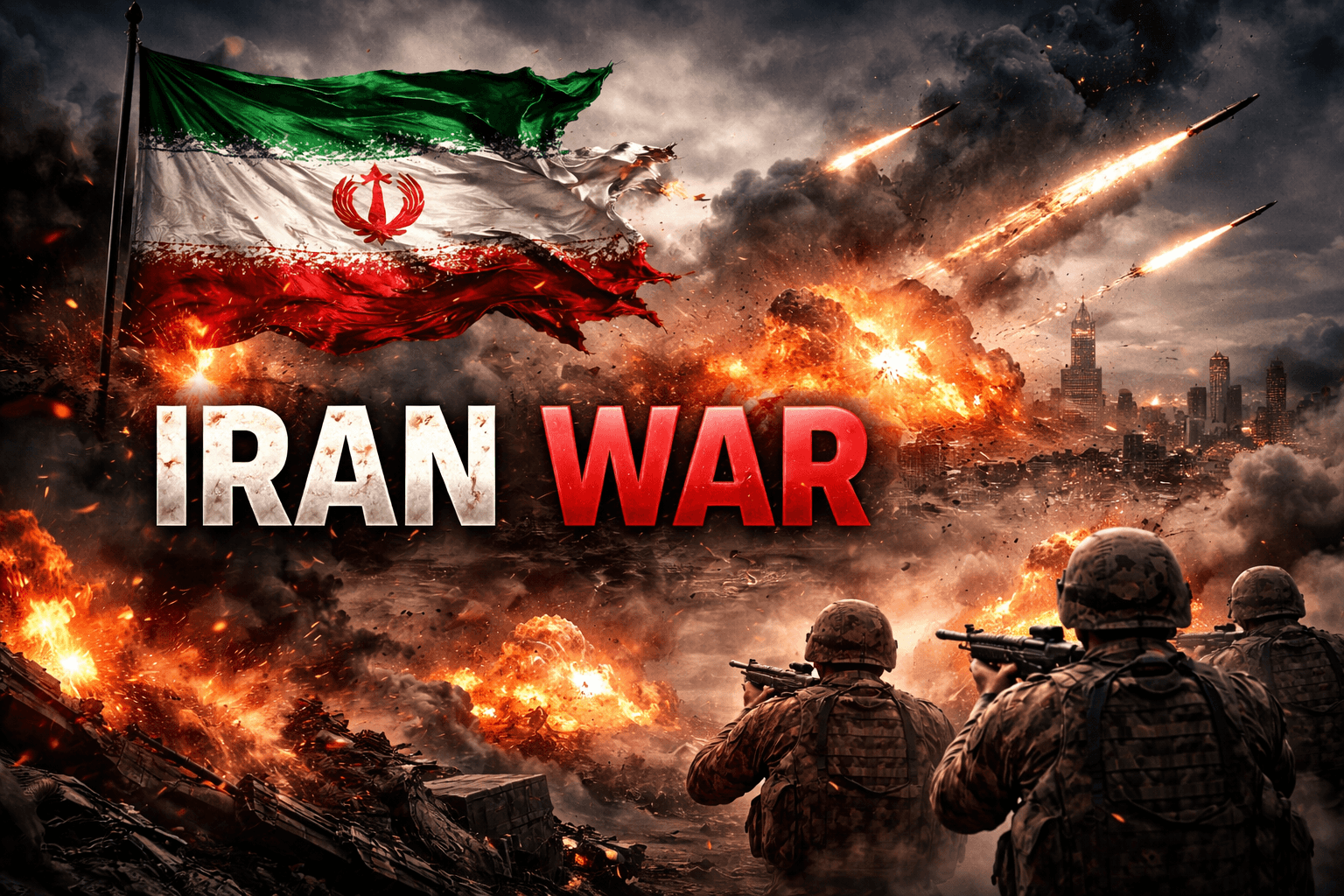
The Iran war has rapidly escalated into one of the most intense Middle East conflicts in decades, with hundreds killed across Iran, US forces, and allied territories as military action enters its fifth day. The United States and Israel have significantly intensified strikes against Iranian military and strategic targets, while Iran has launched extensive missile and drone attacks on Israeli territory, U.S. military bases, and Gulf states — fuelling widespread regional instability.
According to military sources, nearly 2,000 targets across Iran have been struck so far, representing one of the largest air campaigns in the region since the 2003 Iraq conflict. Iranian authorities indicate that missiles and drones have been deployed in retaliation, testing allied defense systems across the Gulf.
Death Toll and Major Casualties
The expanding conflict has already resulted in significant loss of life:
- Iranian government and hospitals report about 787 deaths within Iran, covering both military and civilian casualties following air and missile strikes.
- In addition to Iranian losses, at least 6 U.S. service members have been confirmed killed in the conflict to date.
- Civilian deaths have also occurred in Hezbollah-affected regions, Lebanon, and within Israel due to cross-border exchanges.
This mounting toll reflects both the wide geographic scale of the hostilities and the serious escalation beyond isolated skirmishes.
Targeted Attacks and Strikes
U.S. and Israeli strikes have focused on military infrastructure, missile sites, and leadership targets within Iran. The campaign has reportedly neutralized large numbers of ballistic missiles, drone launchers, and key air defenses.
In retaliation, Iran has launched missile salvos and drone strikes targeting:
- U.S. bases across Gulf nations, including air bases in Bahrain, Qatar, and Kuwait.
- Israeli military and urban areas, leading to defensive interceptions and some breaches.
- Diplomatic compounds, such as reports of missile raids near the U.S. consulate in Dubai.
Iranian military statements emphasize strategic use of Shahed drones and ballistic missiles with mixed effectiveness due to robust interception efforts by allied defense systems.
Regional Spread: Gulf States and Beyond
The war has not remained confined to Iran’s borders. Multiple Gulf states have reported direct or indirect involvement:
- United Arab Emirates (UAE): Iranian ballistic missiles and drones have struck UAE territory, killing three civilians and injuring dozens.
- Bahrain: Iranian attacks targeted U.S. Fifth Fleet installations and other facilities, resulting in one reported death from debris.
- Oman: Ports and oil infrastructure have been hit by occasional drone attacks attributed to Iranian forces, causing injuries to crew members on commercial vessels.
- Kurdistan Region (Iraq): Missile and drone strikes from Iranian-aligned forces have impacted Erbil and nearby areas, contributing to local disruptions and infrastructure issues.
These expanding theatres of violence underscore the broader regional implications — suggesting a conflict that now engages multiple Middle Eastern actors, not just Iran and the U.S.-Israel alliance.
Diplomacy Amid War
Despite intense fighting, diplomatic efforts remain active, though outcomes are uncertain.
- Turkey is reportedly engaging with all sides to de-escalate tensions and encourage negotiations.*
- Past negotiations between Iran and the United States had shown some progress before hostilities erupted, but current war conditions have suspended formal talks.
Diplomatic sources describe ongoing back-channel efforts to prevent broader mobilization of regional military alliances, though these discussions face skepticism given the pace of the conflict.
Global Economic and Strategic Impact
One of the worst-hit sectors internationally is energy and global trade:
- The Strait of Hormuz — a strategic chokepoint for about 20% of global oil exports — is effectively closed or highly constrained due to Iranian threats and security risks.
- Oil prices have spiked as insurance firms withdraw war risk coverage for vessels in the region, leaving dozens of tankers stranded and disrupting maritime logistics.
- Natural gas export interruptions have also been reported, particularly affecting European supply chains reliant on LNG from Qatar.
These disruptions carry ripple effects beyond the region, threatening inflation, supply chain bottlenecks, and slower growth in energy-dependent economies, including major importers.
Strategic Military Assessment
Military analysts identify multiple layers of strategy in this conflict:
- U.S. and Israeli objectives appear focused on degrading Iranian military capabilities, particularly missile arsenals and air defenses.
- Iran’s approach emphasizes mass cruise and ballistic missile deployments, aiming to stretch allied air defenses and exploit gaps, while also rallying regional proxy networks.
- Iran’s use of longer-range drones and ballistic missiles — possibly including advanced systems like hypersonic capability — reflects an escalation in technological warfare.
Ultimately, the conflict represents a shift from isolated tensions to integrated theatre operations spanning land, air, and maritime domains.
Human Toll and Civilian Hardships
Beyond military casualties, the civilian cost is immense:
- Reports of schools and residential buildings struck during air campaigns have drawn international condemnation.
- Civilian evacuations from outer provinces and major Iranian cities continue, driven by fear of further bombardment.
- Families across the region face displacement, economic pressures, and disruption to essential services.
Humanitarian agencies warn that without immediate de-escalation, the crisis could deepen into widespread civilian suffering.
Iran War: Voices from the Global Community
International reactions span a broad spectrum:
- Western governments have publicly supported ongoing military objectives but stress precision and reduction of civilian harm where possible.
- Gulf Cooperation Council (GCC) members have condemned attacks on their soil yet remain cautious about overt involvement.
- Human rights organizations have criticized the targeting of civilian infrastructure and call for renewed diplomatic solutions.
Key Takeaways: Iran War
- The Iran war has entered a new escalation phase, involving broad military actions by the U.S., Israel, and Iranian forces.
- Over 800 deaths, including military and civilian casualties, reflect the severity of the conflict.
- Gulf states have become active theatres, with missiles and drones crossing borders.
- Energy markets and global trade face significant disruption due to threats around the Strait of Hormuz.
- Diplomatic efforts continue, but near-term prospects of a ceasefire remain uncertain.