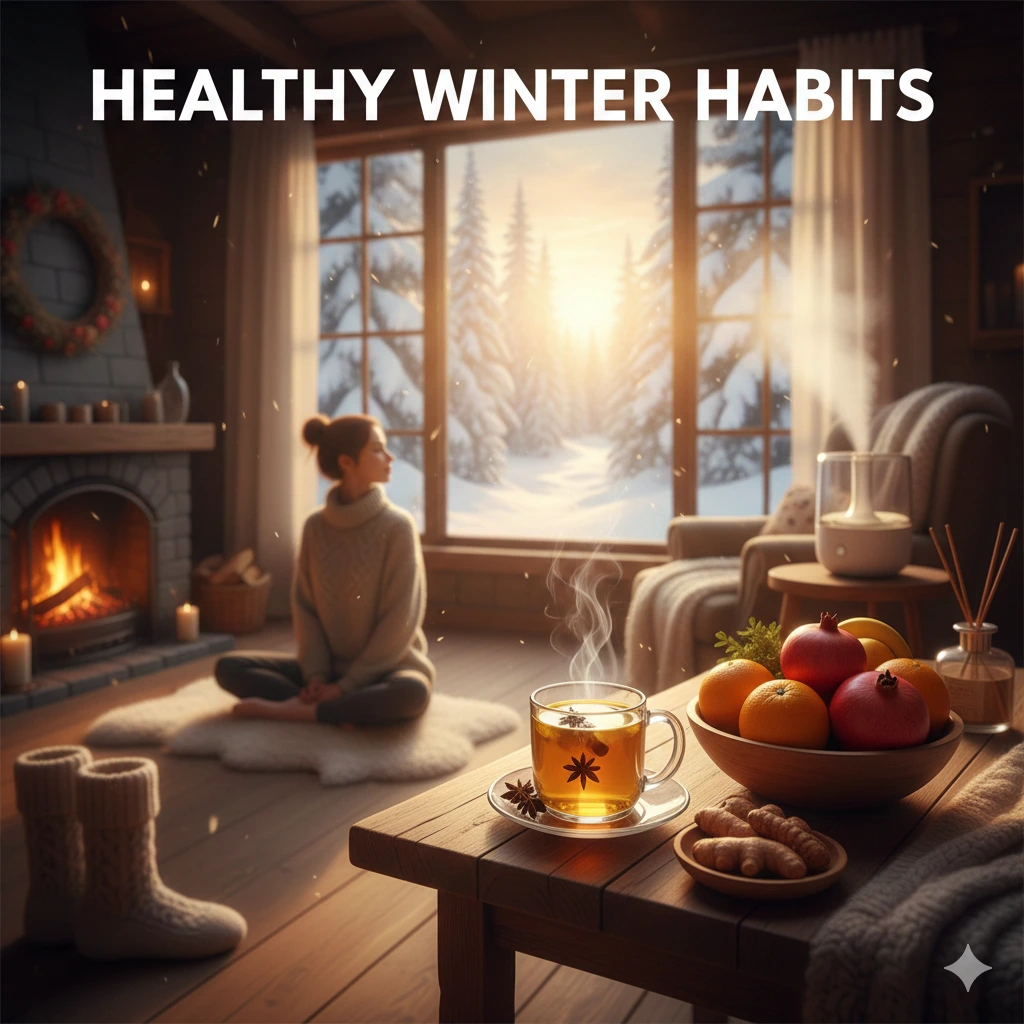
Discover essential healthy tips for winter season to boost your immunity, stay active, and maintain wellness during the colder months.
❄️ Latest Winter Wellness Wisdom: Essential Health Tips for the Cold Season
As the temperatures drop and days grow shorter, the winter season presents unique challenges to our health and well-being. Beyond the age-old advice of bundling up, recent health updates emphasize targeted strategies for boosting immunity, maintaining physical activity, and supporting mental health.
Here are the essential, up-to-date healthy tips to help you thrive this winter:
1. Healthy Tips for Winter Season: Fortify Your Immune System with Key Nutrients
While a balanced diet remains crucial, there’s renewed focus on specific dietary components for winter resilience:
- Prioritize Winter Superfoods: Incorporate seasonal produce like mustard greens (rich in Vitamins A, C, and K), Indian gooseberry (amla) for its slow-oxidizing Vitamin C, and fresh turmeric for anti-inflammatory properties.
- Embrace Warming Ingredients: Traditional foods like Gond (edible gum) and sesame seeds are noted for their thermogenic properties, helping to generate body heat and provide energy.
- The Vitamin D Mandate: Due to reduced sunlight, Vitamin D levels often decline, impacting immune function and mental health. Specialists frequently recommend checking your Vitamin D levels in autumn and spring to determine if a targeted supplement regimen is necessary.
- Revisiting Supplements: While a whole-food diet is best, limited evidence suggests some supplements may shorten the duration or severity of colds. Always consult your doctor or pharmacist before starting Zinc or Elderberry supplements.
2. Hydration: It’s Not Just for Summer
Cold, dry air both outdoors and indoors (due to heating) can lead to significant fluid loss through breath and skin, often without the typical thirst cue. Winter dehydration is a genuine concern.
- Warm it Up: Make warm water, herbal teas (like Cumin, Coriander, Fennel/CCF tea), and bone broth your primary drinks. Avoid excessive caffeine and sugary hot beverages.
- Eat Your Water: Increase intake of water-rich winter produce like oranges, grapefruit, celery, and vegetable-packed soups.
- Set Reminders: Since thirst cues are blunted, use alarms or apps to prompt regular fluid intake throughout the day.
3. Healthy Tips for Winter Season: Smart Movement and Indoor Activity
Don’t let the weather lead to a sedentary lifestyle. Regular exercise is vital for immune support, stress reduction, and fighting off weight gain.
- Dress in Layers for Outdoors: If exercising outside, wear moisture-wicking layers close to the skin, an insulating layer, and a windproof jacket.
- Protect Your Lungs: In cold weather, especially when exercising, cover your mouth and nose loosely with a scarf or mask to warm and humidify the air before it enters your lungs, and try to breathe primarily through your nose.
- Indoor Alternatives: Utilise home workouts, online classes (yoga, aerobics), or make household chores active to meet the recommended 150 minutes of moderate-intensity activity per week.
4. Healthy Tips for Winter Season: Optimize Sleep & Respiratory Health
Quality sleep is a powerful immune booster, and new advice focuses on common winter habits that may affect breathing.
- Maintain a Schedule: Aim for 7-9 hours of sleep nightly. Consistent sleep hygiene helps regulate your circadian rhythm, which can be disrupted by the shorter daylight hours.
- Mind the Blanket: Recent research suggests that sleeping with your head or face covered by blankets can reduce fresh oxygen intake and increase carbon dioxide levels, potentially leading to disturbed sleep, morning fatigue, and respiratory strain. Keep blankets tucked below shoulder level.
5. Healthy Tips for Winter Season: Skin, Hair, and Mental Well-being
The cold, dry air affects more than just your immune system:
- Moisturize Strategically: Combat dry skin and chapped lips with thick, emollient moisturizers applied immediately after bathing to lock in moisture. Using a humidifier indoors can also help.
- Nourish Hair: Combat dryness and dandruff with hot oil therapy using coconut oil once or twice a week, and remember that regular conditioning is essential. Avoid very hot water when washing hair.
- Guard Mental Health: Shorter days can contribute to Seasonal Affective Disorder (SAD). Maximize your daylight exposure, manage stress with techniques like meditation, and stay socially connected to maintain your mood and mental alertness.
6. Healthy Tips for Winter Season: Prevention is the Strongest Medicine
The most crucial steps remain those that halt the spread of illness.
- Get Vaccinated: Stay up-to-date with your recommended flu and COVID-19 vaccinations to protect yourself and vulnerable groups from severe seasonal illnesses.
- Practice Strict Hygiene: Wash your hands frequently with soap and water, especially after being in public, and use an alcohol-based sanitizer.
- Ventilate Your Home: While keeping warm is vital, ensure you have some airflow in your living spaces to help reduce the concentration of airborne viruses and control mold growth.
By integrating these latest wellness strategies—from being mindful of your hydration cues to optimizing your sleep and movement—you can navigate the winter months with greater energy, resilience, and health.
Also, read International League T20 2025: A Global Cricket Showcase
Turmeric tea, often called “Golden Tea” or “Haldi Doodh” (if made with milk), is an ancient remedy that’s perfectly suited for winter because of its warming, anti-inflammatory, and immune-boosting properties.
Here is a simple, effective, and healthy Turmeric Tea recipe:
🍯 Healthy Tips for Winter Season: Warming Winter Turmeric Tea (Golden Tea)
This recipe is designed to maximize the absorption of curcumin (turmeric’s active compound) by including a healthy fat and black pepper.
🌟 Key Ingredients
| Ingredient | Amount | Purpose |
| Water | 1.5 cups (approx. 350 ml) | Base liquid |
| Turmeric Powder | 1/2 teaspoon (or 1 inch fresh root, sliced) | Anti-inflammatory power |
| Fresh Ginger | 1/2 teaspoon, grated (or 1/4 tsp dried powder) | Warming, digestive, and soothing |
| Black Pepper | A pinch (1/8 teaspoon, or 3-4 freshly crushed peppercorns) | Crucial for curcumin absorption |
| Ghee or Coconut Oil | 1/2 teaspoon | Healthy fat for absorption |
| Honey or Jaggery | 1 teaspoon (or to taste, optional) | Sweetener with antioxidant properties |
| Lemon Juice | 1/2 teaspoon | Brightness and Vitamin C (optional) |
👩🍳 Instructions (Stovetop Method)
- Combine & Simmer: In a small saucepan, combine the water, turmeric, fresh ginger, and black pepper.
- Boil: Bring the mixture to a boil over medium-high heat.
- Reduce & Infuse: Once boiling, reduce the heat to low and let it simmer gently for 5–8 minutes. Simmering helps fully extract the flavors and beneficial compounds from the roots and spices.
- Strain: Pour the tea through a fine-mesh sieve or strainer into your favorite mug.
- Add Final Touches: Stir in the ghee (or coconut oil). This healthy fat is essential for better absorption of the fat-soluble curcumin.
- Sweeten and Serve: Allow the tea to cool slightly, then stir in the honey (or jaggery) and lemon juice, if using.💡 Pro Tip: Never add raw honey to boiling hot liquid, as it can reduce its beneficial properties. Let the tea cool to a warm temperature first.
📝 Notes for Success
- Absorption is Key: Do not omit the black pepper and fat (ghee/oil). The black pepper contains piperine, which significantly enhances the body’s ability to absorb the curcumin in turmeric.
- Staining: Turmeric stains! Use a non-porous saucepan (like stainless steel) and be careful when handling the powder. Wash utensils immediately.
- Fresh vs. Powder: Fresh turmeric root can have a more earthy flavor, while powder is more convenient. Adjust quantities based on your preference and what you have available.
Enjoy this comforting and healing beverage!