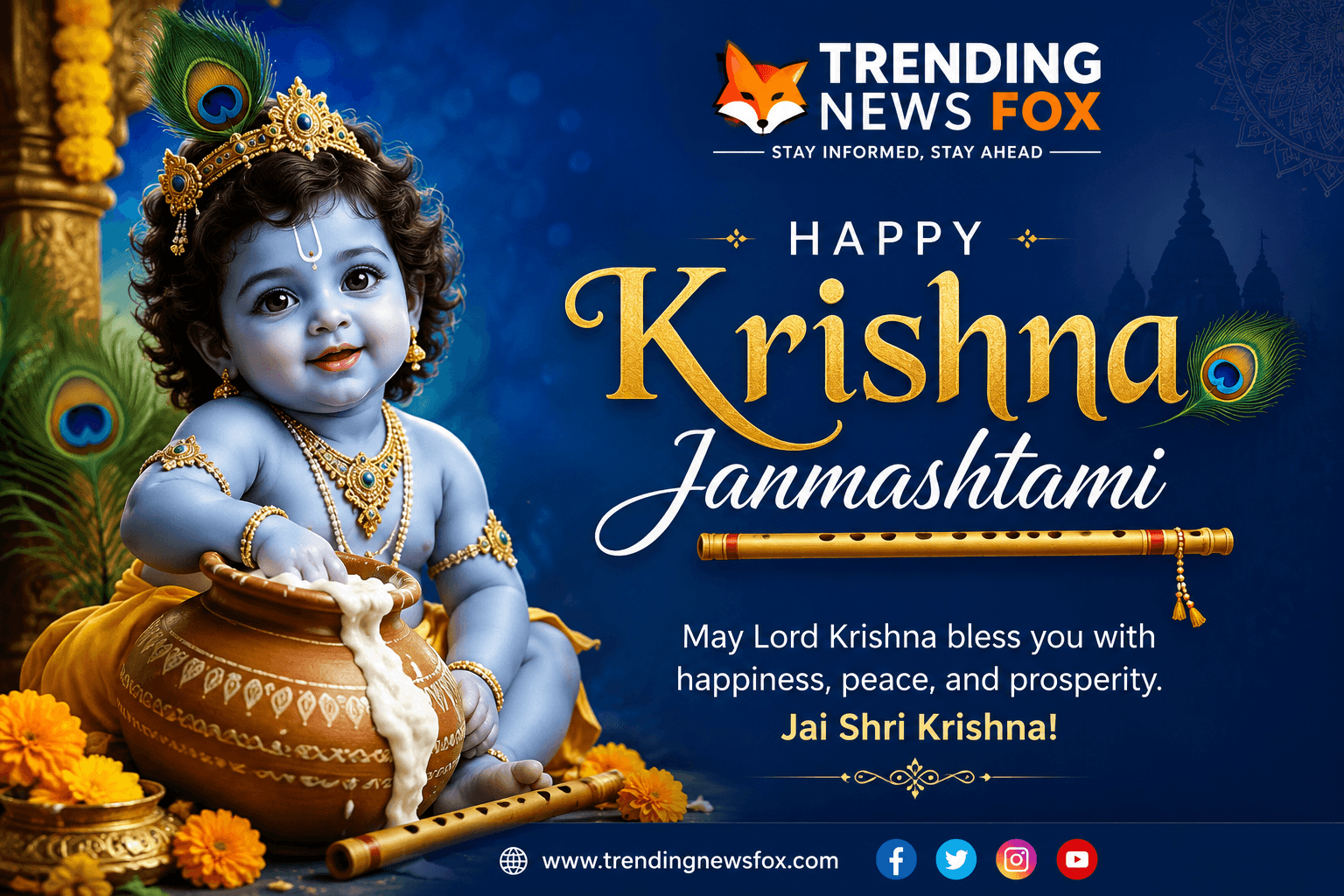
Krishna Janmashtami 2026: Check the date, puja timings, significance, rituals, fasting rules and celebrations of Lord Krishna’s birth. Get the latest updates on Trending News Fox.
Krishna Janmashtami 2026: Date, Nishita Kaal Puja Muhurat, Spiritual Significance, and Grand Celebrations Across India
By Trending News Fox Web Desk
Published: August 29, 2026
Category: News / Cultural Trends / Festivals
As the sacred Hindu month of Bhadrapada arrives, millions of devotees across the globe are preparing to immerse themselves in the divine festivities of Krishna Janmashtami.Also widely referred to as Gokulashtami, Sri Krishna Jayanti, or Srikrishna Jayanthi, this revered festival marks the birth anniversary of Lord Krishna—the eighth avatar of Lord Vishnu.
Known as the supreme embodiment of divine love, righteousness (dharma), wisdom, and spiritual bliss, Lord Krishna descended to Earth during a dark era to eliminate tyranny and restore cosmic order.Today, the festival transcends religious boundaries, becoming a vibrant spectacle of culture, music, fasts, grand feasts, and community camaraderie.
Below is your ultimate guide brought to you by Trending News Fox, covering exact dates, auspicious timings (muhurat), historical origins, and rituals for Krishna Janmashtami 2026.
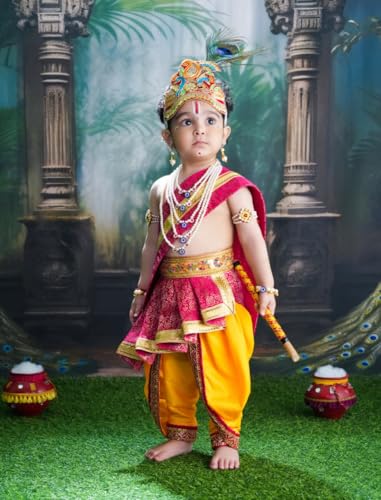
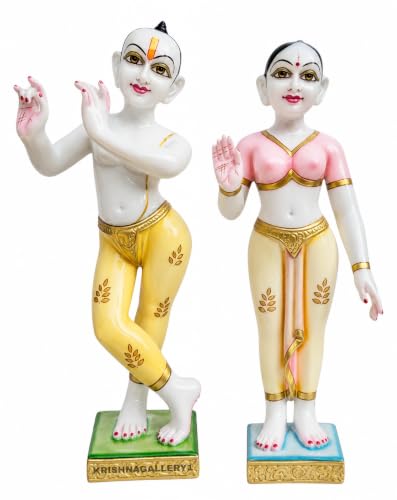
Key Highlights & Important Dates for Janmashtami 2026
To help you plan your prayers, fasts, and family gatherings, here is a quick overview of the essential details for this year’s observance:
| Event Parameter | Details & Timings |
| Official Date | Friday, September 4, 2026 |
| Hindu Calendar Tithi | Ashtami Tithi (Krishna Paksha, Bhadrapada Month) |
| Nishita Kaal (Midnight) Puja | 11:57 PM (Sep 4) to 12:43 AM (Sep 5) |
| Total Nishita Puja Duration | 46 Minutes |
| Dahi Handi / Gokulashtami Festivities | Saturday, September 5, 2026 |
| Parana Time (Fast Breaking) | Post 11:23 AM, September 5, 2026 |
The Sacred Story Behind Lord Krishna’s Birth
The origin story of Janmashtami is a miraculous tale of divine intervention and the ultimate defeat of oppressive rule.
Centuries ago, the city of Mathura was terrorized by King Kansa, a ruthless dictator.On the day of his sister Devaki’s marriage to Vasudeva, a heavenly voice (Akashvani) prophesied that Devaki’s eighth son would end Kansa’s tyrannical reign.Terrified by the prophecy, Kansa imprisoned his sister and brother-in-law, executing their first seven newborn children.
               [ Divine Prophecy ]
                       │
                       ▼
          [ Kansa Imprisons Devaki & Vasudeva ]
                       │
                       ▼
       [ Lord Krishna Born at Midnight in Prison ]
                       │
                       ▼
     [ Vasudeva Crosses Yamuna River to Gokul ]
                       │
                       ▼
    [ Krishna Raised by Yashoda & Nanda Maharaj ]
On the midnight of the eighth day (Ashtami) of the dark fortnight in Bhadrapada, Lord Krishna was born inside the gloomy prison cell. Miraculously, the guards fell into a deep sleep, and the iron chains binding Vasudeva unlocked.
Guided by divine power, Vasudeva placed the infant Krishna in a wicker basket, crossed the surging Yamuna River during a severe storm, and brought Him to safety in Gokul.There, Krishna was raised as the foster son of Nanda Maharaj and Mother Yashoda, setting the stage for His iconic childhood playfulness (leela) and His eventual return to liberate Mathura.
Symbolic & Spiritual Meaning of Krishna’s Avatar
Beyond the historical narrative, Janmashtami holds profound allegorical meaning for modern life:
- The Prison Cell (The Physical Body):Devaki represents the physical body, while Vasudeva symbolizes the vital life-force (Prana). Krishna’s appearance inside a dark prison cell represents divine consciousness manifesting within the human soul to free it from worldly bondage.
- King Kansa (The Ego): Kansa represents pride, arrogance, and the destructive ego. Just as ego destroys joy, Kansa sought to destroy Devaki’s children.The arrival of Krishna represents pure bliss (Ananda) dissolving ego-driven conflicts.
- The Midnight Hour (Ignorance to Enlightenment): The birth of Krishna at midnight signifies the dawn of wisdom amidst the darkest hours of ignorance and despair.
How Janmashtami Is Celebrated Across India
Every corner of India breathes life into Janmashtami with unique traditions, grand regional spectacles, and heartfelt devotion.
┌─────────────────────────────────────────────────────────────┐
│                 REGIONAL JANMASHTAMI STYLES                 │
├──────────────────────────────┬──────────────────────────────┤
│  Mathura & Vrindavan         │  Maharashtra                 │
│  • Ras Leela Plays           │  • Dahi Handi Pyramids       │
│  • Temple Abhishek           │  • Govinda Teams             │
├──────────────────────────────┼──────────────────────────────┤
│  South India                 │  Eastern India & Bengal      │
│  • Footprints of Bal Krishna │  • Jhulan Yatra (Swings)     │
│  • Seedai & Butter Offerings │  • Bhagavata Recitations     │
└──────────────────────────────┴──────────────────────────────┘
1. Mathura and Vrindavan (Uttar Pradesh)
In Krishna’s birthplace Mathura and His childhood dwelling Vrindavan, celebrations start weeks in advance. Temples like the Banke Bihari Temple, Krishna Janmabhoomi Temple, and ISKCON Vrindavan are decorated with millions of lights and fresh flowers. Performers enact Ras Leela (dramatic dances depicting Krishna’s youth), attracting lakhs of pilgrims worldwide.
2. Dahi Handi in Maharashtra
In Mumbai, Pune, and across Maharashtra, Gokulashtami is marked by Dahi Handi competitions. Inspired by Krishna’s mischievous love for stealing butter (Makhan Chor), young men and women formed into teams called Govindas build human pyramids to break an earthenware pot filled with curd, butter, and money suspended high in the air.
3. Southern India (Gokulashtami / Sri Krishna Jayanti)
In Tamil Nadu, Andhra Pradesh, and Karnataka, families draw tiny rice-flour footprints leading from their main door to the altar room, symbolizing baby Krishna entering their homes. Offerings like Seedai, Murukku, and fresh butter are prepared alongside devotional chanting.
4. Eastern India & Bengal
In Bengal and Odisha, the festival focuses on devotional singing (Bhajans), reading the Srimad Bhagavatam, and hanging Jhulan (elaborately decorated swings) where infant Krishna idols are gently rocked by devotees.
Essential Janmashtami Rituals at Home: Step-by-Step
If you plan to observe Krishna Janmashtami at home, follow this simple procedure (vidhi) to conduct your midnight prayers:
- Fasting (Vrat):Devotees observe a day-long fast, consuming only water, fruits, or milk products until midnight.
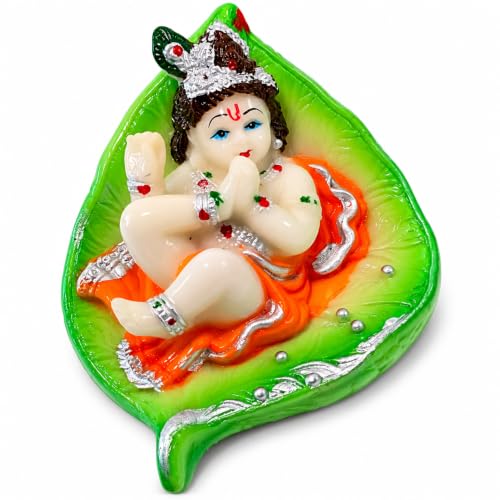
- Altar Setup: Clean your home temple space and set up a cradle or swing (jhula) for baby Krishna (Ladoo Gopal).
- Abhishek (Holy Bath):At the midnight hour (Nishita Kaal), perform Panchamrit Abhishek using milk, curd, ghee, honey, and sugar. Rinse with holy Ganga water.
- Adornment (Sringar): Dress the idol in new yellow clothes (Pitambara), deck Him with peacock feathers, jewels, and fresh flower garlands.
- Chanting & Aarti: Chant the Hare Krishna Maha Mantra or recite chapters from the Bhagavad Gita. Offer Aarti with lamps and incense sticks.
- Offering Prasadam:Offer Lord Krishna His favorite delicacies—especially Makhan Mishri (fresh butter with rock sugar), Panjiri, milk-based sweets, and Tulsi leaves.
- Breaking the Fast: Distribute the blessed Prasadam among family members to break your fast.
Eternal Life Lessons from Lord Krishna for Modern Times
Beyond the rituals and festivities, Janmashtami is a time to reconnect with the universal philosophy imparted by Lord Krishna in the Bhagavad Gita:
- Nishkama Karma (Selfless Action): Focus on performing your duty with dedication without obsessing over the outcome or rewards.
- Stand Up Against Unrighteousness: Never remain passive in the face of injustice; always defend truth (Satya) and virtue (Dharma).
- Balance Wisdom with Joy: Krishna exemplifies that spiritual realization does not require abandoning joy. He demonstrated mastery over music, dance, statecraft, and deep philosophy simultaneously.
Krishna Janmashtami 2026: Frequently Asked Questions (FAQs)
Q1. Why is the midnight hour so important on Janmashtami?
Ans: According to ancient Hindu scriptures, Lord Krishna was born precisely at midnight during the Nishita Kaal.Therefore, conducting prayers at midnight is considered the most auspicious time to seek His divine blessings.
Q2. What traditional foods are offered to Lord Krishna on Janmashtami?
Ans: Traditional offerings include fresh homemade butter with rock sugar (Makhan Mishri), coriander-based Panjiri, Kheer, Rava Ladoo, and various milk-based sweets.Tulsi (holy basil) leaves are an essential addition to all food offerings.
Q3. Can working professionals observe a basic Janmashtami fast?
Ans: Yes. If a strict waterless fast (Nirjala Vrat) is difficult, you can observe a Phalahar fast by consuming fruits, milk, curd, foxnuts (makhana), and water throughout the day while focusing your prayers during the midnight hour.
Krishna Janmashtami 2026: Final Thoughts from Trending News Fox
Krishna Janmashtami serves as a timeless reminder that light will always overcome darkness and righteousness will prevail over evil. Whether you are celebrating by building human pyramids at a local Dahi Handi event, rocking baby Krishna on a decorated swing at home, or reflecting on the teachings of the Bhagavad Gita, may this holy festival bring peace, prosperity, and divine joy to your family!
Wishing all our readers a very Happy and Blessed Krishna Janmashtami from the entire team at Trending News Fox!
Stay tuned to Trending News Fox for live updates on festival celebrations, puja muhurats, and global trending stories.