
Discover practical healthy lifestyle habits for better physical fitness, mental well-being, nutrition, sleep, hydration and everyday health. Read the complete guide on Trending News Fox.
By Trending News Fox | October 2, 2026
Healthy Lifestyle: Simple Daily Habits for Better Health, Fitness and Well-Being
Healthy Lifestyle: Why Everyday Habits Matter
A healthy lifestyle is not about following an extreme diet or spending hours in a gym. It is about making consistent, realistic choices that support physical health, mental well-being and overall quality of life.
From eating nutritious food and staying physically active to getting enough sleep and managing stress, small daily habits can make a meaningful difference over time. A balanced lifestyle can also help people maintain a healthy weight, improve fitness, support cardiovascular health and feel more energetic throughout the day.

In today’s busy world, maintaining healthy habits can be challenging. Long working hours, sedentary routines, processed foods, excessive screen time and irregular sleep schedules can make it difficult to maintain a balanced routine.
The good news is that healthy living does not require perfection. Building a few positive habits and following them consistently can be a practical starting point.
1. Start With a Balanced Diet
Food is one of the most important foundations of a healthy lifestyle. A balanced diet should provide the body with essential nutrients, including carbohydrates, proteins, healthy fats, vitamins, minerals and fibre.
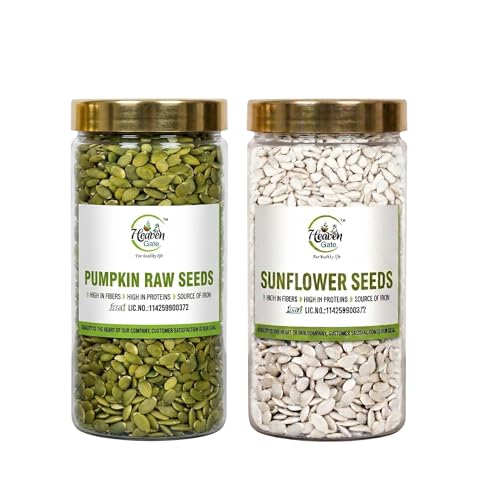
Instead of focusing on restrictive diets, people can aim for variety and moderation. Fruits, vegetables, whole grains, pulses, nuts, seeds and other nutrient-rich foods can form an important part of everyday meals.
Protein sources such as pulses, beans, eggs, fish, dairy products and lean meats can support normal body functions and muscle maintenance.
It is also useful to limit excessive consumption of foods high in added sugars, salt and unhealthy fats.
Healthy eating habits include:
- Eating a variety of fruits and vegetables
- Choosing whole grains where possible
- Including adequate protein in meals
- Drinking sufficient water
- Limiting highly processed foods
- Reducing excessive added sugar and salt
- Avoiding unnecessary crash diets
A healthy diet should be sustainable rather than temporary.
2. Make Physical Activity Part of Your Routine
Regular physical activity is another major component of a healthy lifestyle. Exercise can support cardiovascular fitness, muscle strength, flexibility and overall physical function.
People do not necessarily need expensive gym memberships to become more active. Walking, cycling, swimming, dancing, jogging, yoga and home-based workouts can all contribute to an active lifestyle.
For people who spend many hours sitting, even simple changes can help. Taking short movement breaks, walking during phone calls or choosing stairs instead of elevators can add more physical activity to the day.
The right exercise routine depends on a person’s age, fitness level, health status and personal goals. Anyone with a medical condition or concerns about starting vigorous exercise should consider discussing an appropriate routine with a qualified healthcare professional.
3. Prioritize Quality Sleep
Sleep is often overlooked when people think about health and fitness. However, adequate sleep plays an important role in everyday physical and mental functioning.
Irregular sleep schedules can leave people feeling tired and may make it harder to concentrate during the day. Establishing a consistent bedtime and wake-up schedule can help create a healthier sleep routine.
Better sleep habits may include:
- Going to bed and waking up at similar times
- Keeping the bedroom comfortable and quiet
- Reducing unnecessary screen use before bedtime
- Avoiding excessive caffeine late in the day
- Creating a relaxing bedtime routine
Sleep needs vary between individuals, but maintaining regular and sufficient sleep should be an important part of a healthy lifestyle.
4. Stay Hydrated
Water is essential for normal body functions. Staying hydrated is particularly important during hot weather and periods of physical activity.
Instead of waiting until extreme thirst develops, people can make water a regular part of their daily routine. Carrying a reusable water bottle can make this easier.
Hydration requirements can vary depending on factors such as weather, physical activity, diet and individual health conditions.
5. Take Care of Your Mental Well-Being
Healthy living involves more than physical fitness. Mental and emotional well-being are equally important.
Work pressure, financial concerns, family responsibilities and constant digital connectivity can contribute to everyday stress. Finding healthy ways to manage stress can help people maintain balance.
Activities such as walking outdoors, reading, listening to music, practicing relaxation techniques, spending time with friends and family, pursuing hobbies and maintaining social connections can support overall well-being.
People experiencing persistent or severe emotional difficulties should seek appropriate professional support rather than trying to manage everything alone.
6. Reduce Excessive Screen Time
Digital technology has become an essential part of modern life, but excessive recreational screen time can contribute to sedentary behaviour and interfere with sleep routines.
Creating technology-free periods during the day can encourage movement and face-to-face interaction. Avoiding unnecessary phone use immediately before bedtime may also help establish a more relaxing nighttime routine.
The goal does not have to be eliminating screens. Instead, the focus should be on maintaining a healthier balance between digital activities and offline life.
7. Maintain a Healthy Weight Without Extreme Diets
Healthy weight management is best approached as a long-term lifestyle goal rather than a short-term challenge.
Crash diets and extreme food restrictions may be difficult to maintain and can make healthy eating unnecessarily stressful. A balanced eating pattern combined with regular physical activity is generally a more sustainable approach.
People should also remember that healthy weight varies according to individual factors. Body weight alone does not provide a complete picture of someone’s health.
8. Avoid Tobacco and Limit Harmful Substances
Avoiding tobacco is an important part of protecting long-term health. Tobacco use is associated with serious health risks affecting multiple organs and body systems.
For people who use tobacco, seeking professional help to quit can be an important step toward a healthier lifestyle.
Alcohol consumption can also affect health. People who drink should be aware of health risks and follow applicable public-health guidance.
9. Build Healthy Habits Gradually
One of the biggest mistakes people make when starting a healthier lifestyle is trying to change everything at once.
A more practical strategy is to begin with small goals.
For example:
Week 1: Add a daily walk.
Week 2: Improve breakfast choices.
Week 3: Establish a consistent bedtime.
Week 4: Add more vegetables and whole foods to meals.
Small changes can become automatic when repeated consistently. Once a habit becomes comfortable, another positive habit can be introduced.
10. Make Preventive Health a Priority
A healthy lifestyle should also include preventive healthcare. Regular health check-ups can help people understand important health indicators and identify potential problems early.
Depending on age, sex, family history and individual risk factors, healthcare professionals may recommend different screenings, vaccinations or tests.
People should not rely solely on social media, online articles or wellness influencers for medical decisions. Reliable health information and professional medical advice are especially important when symptoms persist or when treatment decisions are involved.
Healthy Lifestyle: A Simple Daily Routine
A practical daily routine could look like this:
Morning: Wake up at a consistent time, drink water, eat a nutritious breakfast and include some movement.
Daytime: Stay physically active, choose balanced meals, take breaks from prolonged sitting and manage work-related stress.
Evening: Eat a balanced dinner, spend time with family or pursue a relaxing activity, and reduce unnecessary screen use.
Night: Follow a consistent bedtime routine and aim for sufficient sleep.
The exact routine can be adapted according to individual schedules and needs.
Common Healthy Lifestyle Mistakes to Avoid
Healthy living does not mean following every trend on social media. Some common mistakes include:
- Following extreme diets without professional guidance
- Exercising excessively without adequate recovery
- Skipping meals regularly
- Depending on unverified supplements
- Ignoring persistent symptoms
- Comparing personal progress with influencers
- Expecting immediate results
- Giving up after missing one day
Consistency matters more than perfection.
The Bottom Line
A healthy lifestyle is built through everyday choices. Nutritious food, regular physical activity, adequate sleep, hydration, stress management, healthy relationships and preventive healthcare can all contribute to better overall well-being.
There is no single routine that works for everyone. The most useful approach is to develop realistic habits that fit individual circumstances and maintain them over the long term.
Whether the goal is improving fitness, increasing daily energy, supporting mental well-being or simply feeling healthier, starting with one small positive change can be a practical first step.
Trending News Fox will continue to bring readers informative content covering health, fitness, lifestyle, wellness and other important developments.
Frequently Asked Questions About a Healthy Lifestyle
What is a healthy lifestyle?
A healthy lifestyle involves regular physical activity, balanced nutrition, sufficient sleep, hydration, stress management, avoidance of tobacco and other healthy behaviours that support overall well-being.
What should I eat for a healthy lifestyle?
A balanced diet can include vegetables, fruits, whole grains, pulses, protein-rich foods, nuts, seeds and other nutrient-dense foods. Highly processed foods, excessive added sugar and excess salt should generally be limited.
How important is exercise for healthy living?
Regular physical activity supports cardiovascular fitness, muscle strength, mobility and overall health. The appropriate amount and intensity depend on individual circumstances.
How can I improve my sleep?
Maintaining a consistent sleep schedule, creating a relaxing bedtime routine and reducing unnecessary screen exposure before bed can help support better sleep habits.
Can a healthy lifestyle improve mental well-being?
Healthy behaviours such as regular physical activity, adequate sleep, nutritious food, social connection and effective stress-management strategies can support overall mental well-being.
Is a healthy lifestyle only about losing weight?
No. Healthy living is broader than weight management. It includes physical fitness, nutrition, sleep, mental well-being, prevention and maintaining a sustainable daily routine.
How can I start living healthier today?
Start with one or two realistic changes, such as taking a daily walk, adding more vegetables to meals, drinking more water or establishing a consistent sleep schedule. Gradually build additional habits over time.
Disclaimer: This article is intended for general informational and educational purposes and should not be considered medical advice, diagnosis or treatment. Individual health needs vary. Consult a qualified healthcare professional for personalized medical guidance.