Discover the major Indian festivals in 2026, including Diwali, Durga Puja, Holi, Eid, Christmas, Janmashtami and Chhath Puja. Check important dates and celebration tips.
Publisher: Trending News Fox Category: Lifestyle / Festival / India News Date: October 31, 2026
What Are the Major Indian Festivals in 2026? Complete Calendar, Important Dates and Celebrations
Introduction: Discover India’s Festival Calendar for 2026
India is a country where festivals bring people together through faith, family traditions, colourful decorations, traditional food, music and community celebrations. From the vibrant colours of Holi to the sparkling lights of Diwali, the grand pandals of Durga Puja and the warmth of Christmas, every festival reflects a unique part of India’s cultural identity.
The 2026 festival calendar features celebrations observed by Hindu, Muslim, Sikh, Christian, Buddhist and Jain communities, alongside regional harvest festivals and traditional New Year celebrations. These occasions offer opportunities to reconnect with family, explore local cultures, support small businesses and discover India’s extraordinary diversity.
For people planning holidays, family gatherings, religious observances or travel, knowing the important festival dates in advance can be extremely useful.
Trending News Fox brings you a comprehensive guide to the major Indian festivals in 2026, including their expected dates, significance and popular traditions.
Important note: Festival dates can vary by region, religious calendar, local tradition and lunar observation. Dates for Islamic festivals are particularly dependent on moon sighting. Confirm local timings and official holiday notifications before making travel or business arrangements.
Complete List of Major Indian Festivals in 2026
Here is a quick overview of important festivals and their commonly observed dates in 2026.
| Festival | Date in 2026 |
|---|---|
| Lohri | January 13 |
| Makar Sankranti | January 14 |
| Pongal | January 14–17 |
| Vasant Panchami | January 23 |
| Maha Shivaratri | February 15 |
| Holika Dahan | March 3 |
| Holi | March 4 |
| Ugadi and Gudi Padwa | March 19 |
| Eid al-Fitr | Around March 20–21 |
| Ram Navami | March 26 |
| Mahavir Jayanti | March 31 |
| Good Friday | April 3 |
| Easter Sunday | April 5 |
| Vaisakhi and Pohela Boishakh | April 14–15 |
| Buddha Purnima | May 1 |
| Eid al-Adha | Around May 27 |
| Rath Yatra | July 16 |
| Onam | August 26 |
| Raksha Bandhan | August 28 |
| Krishna Janmashtami | September 4 |
| Ganesh Chaturthi | September 14 |
| Navratri begins | October 11 |
| Durga Puja celebrations | October 17–20 |
| Dussehra | October 20 |
| Karwa Chauth | October 29 |
| Dhanteras | November 6 |
| Diwali and Lakshmi Puja | November 8 |
| Chhath Puja | November 15 |
| Guru Nanak Jayanti | November 24 |
| Christmas Day | December 25 |
Dates are indicative and may differ according to regional calendars and local observance. The table highlights major celebrations rather than every festival or public holiday.
1. Lohri, Makar Sankranti and Pongal: Welcoming the Harvest Season
January begins with several important harvest celebrations across India.
Lohri, observed on January 13, is particularly popular in Punjab and neighbouring regions. Families and communities gather around bonfires, sing traditional songs, dance bhangra and gidda, and share seasonal treats such as peanuts, popcorn and sweets.
Makar Sankranti, celebrated on January 14, marks the Sun’s transition into Capricorn according to the traditional Indian astronomical calendar. The festival is associated with harvest celebrations, charitable giving, kite flying and special foods prepared with sesame seeds and jaggery.
In Tamil Nadu, Pongal is a major harvest festival traditionally celebrated over several days. Families prepare the ceremonial Pongal dish, decorate homes with kolam designs and express gratitude for agricultural prosperity.
These festivals reflect the importance of farming, nature, community relationships and gratitude in Indian culture.
2. Vasant Panchami and Maha Shivaratri: Celebrating Knowledge and Devotion
Vasant Panchami falls on January 23 in 2026. The festival welcomes the arrival of spring and is associated with Goddess Saraswati, who represents knowledge, learning, music and the arts.
Schools, colleges and cultural organisations often organise Saraswati Puja. Yellow clothing, flowers and traditional offerings are common features of celebrations, especially in West Bengal.
Maha Shivaratri, observed on February 15, is dedicated to Lord Shiva. Devotees visit temples, observe fasts, participate in prayers and stay awake during night-long religious observances.
The festival attracts devotees to prominent Shiva temples throughout India and holds particular significance for people seeking spiritual reflection and devotion.
3. Holi 2026: The Festival of Colours
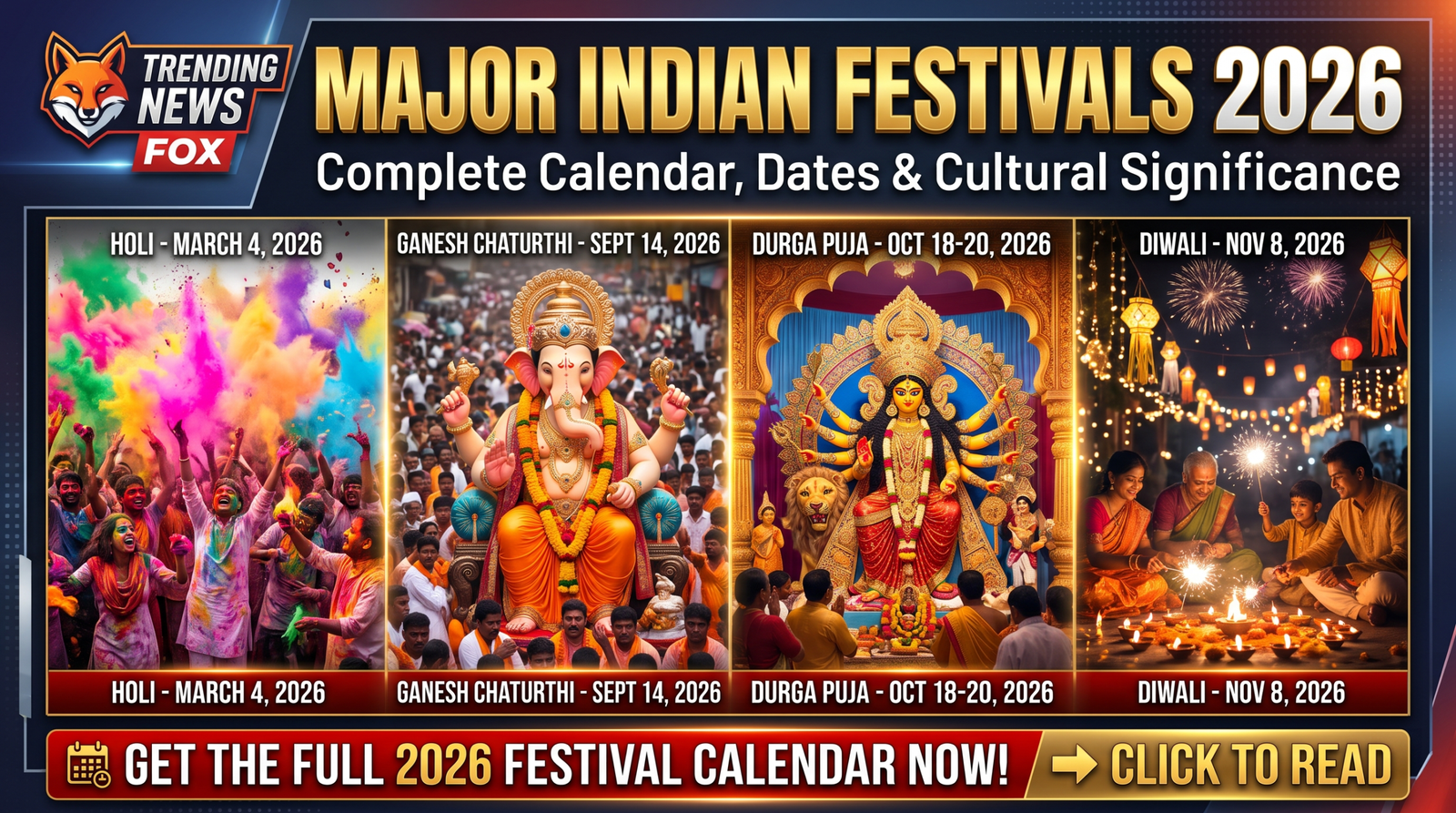
Holi is one of India’s most recognisable festivals. In 2026, Holika Dahan falls on March 3, followed by Holi on March 4.
Holika Dahan traditionally symbolises the victory of good over evil. On Holi, people celebrate with coloured powders, water, music, dancing and festive food.
Regional traditions add variety to the celebrations. Mathura and Vrindavan are famous for their Holi festivities, while communities across West Bengal celebrate Dol Jatra with colourful processions, devotional songs and cultural programmes.
Holi is also an occasion for forgiveness, friendship and renewed relationships.
Celebration tip: Choose skin-friendly colours, protect your eyes, respect people’s consent before applying colour and use water responsibly.
4. Ugadi, Gudi Padwa, Eid al-Fitr and Ram Navami
March brings several important religious and cultural occasions.
Ugadi and Gudi Padwa, celebrated on March 19, mark the traditional New Year in parts of southern and western India. Families prepare festive meals, decorate entrances and participate in religious rituals.
Eid al-Fitr, expected around March 20–21, marks the end of Ramadan, the Islamic month of fasting. Muslims gather for special prayers, share meals, exchange greetings and give charity. The exact date depends on the sighting of the crescent moon and local religious announcements.
Ram Navami, observed on March 26, commemorates the birth of Lord Rama. Devotees visit temples, recite religious texts and participate in processions and prayers.
Together, these occasions demonstrate how India’s festival calendar accommodates different religious traditions and regional New Year customs.
5. Mahavir Jayanti, Good Friday and Easter
Spring also features important celebrations in Jain and Christian communities.
Mahavir Jayanti, on March 31, commemorates the birth of Lord Mahavira, the 24th Tirthankara of Jainism. Devotees attend prayers and processions and reflect on non-violence, truth, compassion and self-discipline.
Good Friday, on April 3, commemorates the crucifixion of Jesus Christ. Christians attend church services and observe the day through prayer and reflection.
Easter Sunday, on April 5, celebrates the resurrection of Jesus Christ. Churches organise special services, while families gather for festive meals and community celebrations.
These occasions carry profound spiritual significance for their respective communities and contribute to India’s rich religious heritage.
6. Vaisakhi, Pohela Boishakh and Buddha Purnima
April is especially important for harvest festivals and regional New Year celebrations.
Vaisakhi, observed on April 14, is an important harvest festival in Punjab and a significant occasion in Sikh history. Gurdwaras hold prayers, and communities celebrate with traditional music, dance and gatherings.
Pohela Boishakh, the Bengali New Year, falls on April 15 in 2026. In West Bengal and among Bengali communities elsewhere, people welcome the new year with cultural programmes, traditional clothing, festive food and greetings of Shubho Noboborsho.
Businesses may organise account-opening ceremonies, while markets and neighbourhoods host special events.
Buddha Purnima, on May 1, commemorates the birth of Gautama Buddha and is associated with Buddhist teachings of peace, compassion, wisdom and non-violence.
These celebrations connect agricultural traditions, cultural identity and spiritual reflection.
7. Eid al-Adha: A Festival of Faith and Giving
Eid al-Adha, expected around May 27 in 2026, is an important Islamic festival commemorating Prophet Ibrahim’s devotion and willingness to submit to God’s command.
Muslims attend congregational prayers, spend time with family and share food and charitable contributions with others.
The festival highlights faith, sacrifice, generosity and responsibility towards people in need.
Because the Islamic calendar follows lunar months, the date may vary according to moon sighting and local religious announcements. Readers should confirm the final date through trusted local sources.
8. Rath Yatra: The Grand Chariot Festival
Rath Yatra, listed on July 16 in the 2026 Indian festival calendar, is closely associated with Lord Jagannath and the historic celebrations in Puri, Odisha.
During the festival, the deities are taken out in grand chariots amid devotional singing, prayers and enormous gatherings of devotees.
The celebration is also observed in other Indian cities, including Kolkata, where processions and community events attract participants from different backgrounds.
Rath Yatra represents devotion, shared participation and the continuing influence of traditional religious celebrations in contemporary India.
Visitors planning to attend major processions should check crowd-management advisories, transport arrangements and local administration announcements in advance.
9. Onam and Raksha Bandhan: Family, Harvest and Togetherness
August brings two widely celebrated festivals.
Onam, observed on August 26, is Kerala’s major harvest festival and is associated with the legendary King Mahabali. Traditional celebrations may include pookalam floral designs, elaborate Onam sadhya meals, cultural performances and boat races.
Raksha Bandhan, on August 28, celebrates the bond between siblings. Sisters traditionally tie a rakhi around their brothers’ wrists, while families exchange gifts, sweets and affectionate wishes.
Both festivals highlight togetherness, family relationships and the importance of cultural traditions across generations.
10. Janmashtami and Ganesh Chaturthi
September features celebrations dedicated to two widely worshipped Hindu deities.
Krishna Janmashtami, on September 4, celebrates the birth of Lord Krishna. Devotees visit temples, sing devotional songs, observe fasts and participate in midnight prayers. Some regions organise Dahi Handi events and dramatic performances depicting episodes from Krishna’s life.
Ganesh Chaturthi, on September 14, celebrates the birth of Lord Ganesha, widely regarded as the remover of obstacles and the deity of wisdom and new beginnings.
Celebrations include the installation of Ganesha idols, prayers, cultural programmes and processions. In many communities, immersion ceremonies mark the conclusion of the festival.
Environmentally responsible idol materials and immersion practices can help reduce pollution and protect local water bodies.
11. Durga Puja, Navratri and Dussehra: India’s Grand Autumn Celebrations
October is one of the most culturally significant months of 2026.
Sharad Navratri begins on October 11, while major Durga Puja festivities are scheduled for October 17–20 in the commonly followed 2026 calendar. Maha Ashtami falls on October 19, and Dussehra is observed on October 20.
In West Bengal, Durga Puja is much more than a religious festival. It is a major cultural event featuring artistic pandals, elaborate idols, traditional dhak performances, new clothing, community celebrations and festive food.
Kolkata and surrounding districts attract large crowds as people visit neighbourhood pujas and explore creative installations.
Across other parts of India, Navratri celebrations may include fasting, devotional dancing and worship of the nine forms of Goddess Durga.
Dussehra, also known as Vijayadashami, symbolises the triumph of good over evil. Traditions differ across regions, with some communities commemorating Lord Rama’s victory over Ravana and others marking the conclusion of Durga Puja.
For travellers, October offers an opportunity to experience India’s cultural diversity at its most vibrant. However, visitors should plan transport, accommodation and crowd-friendly routes early.
12. Diwali, Chhath Puja and Guru Nanak Jayanti
November brings several major festivals.
Diwali, or Deepavali, falls on November 8 in the commonly followed 2026 calendar. The festival of lights is associated with prosperity, hope, family gatherings and the victory of light over darkness.
Many families decorate homes with diyas, rangoli and lights, exchange sweets and worship Goddess Lakshmi. Dhanteras is listed for November 6, followed by Diwali on November 8. Related celebrations include Govardhan Puja and Bhai Dooj.
In West Bengal, Kali Puja is also an important celebration around the Diwali period. Local observances and ritual timings may differ.
Chhath Puja, on November 15 in the listed calendar, is especially significant in Bihar, Jharkhand, eastern Uttar Pradesh and among communities elsewhere. Devotees offer prayers to the Sun and observe traditional rituals at rivers, ponds and other water bodies.
Guru Nanak Jayanti, on November 24, commemorates the birth of Guru Nanak, the founder of Sikhism. Gurdwaras organise prayers, devotional singing and community meals known as langar.
These festivals reflect the diversity of India’s religious practices and the shared values of generosity, gratitude and community service.
13. Christmas 2026: A Season of Joy and Giving
Christmas is celebrated on December 25 and commemorates the birth of Jesus Christ.
Churches organise services, homes and public spaces display festive decorations, and families exchange gifts and share special meals. Christmas markets, carol singing and community programmes create a festive atmosphere in many cities.
Kolkata’s Park Street is particularly well known for its seasonal decorations and celebrations. Other cities and towns across India also host church events, concerts and community gatherings.
Beyond its religious significance, Christmas encourages kindness, generosity, family connection and care for people who may need additional support.
Major Indian Festivals in 2026: How to Plan Holidays Around India’s 2026 Festivals
Planning ahead can make festival celebrations more enjoyable and less stressful.
- Check official dates: Religious observances and public holidays may differ by state.
- Book transport early: Popular destinations can become crowded during major festivals.
- Confirm local events: Check municipal announcements, temple schedules and event organisers’ notices.
- Respect local customs: Follow dress codes, photography rules and religious-site instructions.
- Celebrate responsibly: Reduce waste, avoid unsafe fireworks and follow crowd-safety guidance.
- Support local businesses: Consider buying traditional clothing, handicrafts, sweets and festival decorations from local sellers.
For employees, businesses and travellers, it is also important to distinguish between a religious festival date and an officially declared public holiday.
Conclusion: Celebrate India’s Cultural Diversity in 2026
The major Indian festivals in 2026 offer a year full of meaningful experiences, from the harvest celebrations of January to the lights of Diwali and the joy of Christmas in December.
Holi, Eid, Pohela Boishakh, Rath Yatra, Onam, Janmashtami, Ganesh Chaturthi, Durga Puja, Chhath Puja and Guru Nanak Jayanti each tell a different story about India’s traditions, beliefs and communities.
Knowing the festival calendar can help families plan celebrations, travellers discover new destinations and readers understand the cultural significance of important occasions.
Stay connected with Trending News Fox for festival updates, important dates, cultural stories, local celebrations and the latest news from India.
Major Indian Festivals in 2026: Frequently Asked Questions
1. What are the major Indian festivals in 2026?
Major festivals include Holi, Eid al-Fitr, Ram Navami, Vaisakhi, Eid al-Adha, Rath Yatra, Onam, Raksha Bandhan, Janmashtami, Ganesh Chaturthi, Durga Puja, Dussehra, Diwali, Chhath Puja, Guru Nanak Jayanti and Christmas.
2. When is Holi in 2026?
Holi is observed on March 4, 2026, with Holika Dahan on March 3 in the commonly followed calendar.
3. When is Durga Puja in 2026?
Major Durga Puja celebrations are scheduled for October 17–20, with Maha Ashtami on October 19 and Vijayadashami on October 20. Regional observances may vary.
4. When is Diwali in 2026?
Diwali falls on November 8, 2026, according to the commonly followed Indian festival calendar.
5. When is Christmas in 2026?
Christmas Day is Friday, December 25, 2026.
6. Do festival dates vary across India?
Yes. Dates can differ because of regional calendars, local traditions, religious calculations and moon sightings. Always verify dates and timings locally.
7. Which Indian festivals are best known for cultural tourism?
Durga Puja in West Bengal, Diwali across India, Rath Yatra in Puri, Onam in Kerala, Holi in northern India and Ganesh Chaturthi in Maharashtra are among the best-known cultural attractions.
Stay informed. Celebrate responsibly. Explore India’s traditions with Trending News Fox.
🎉 Which Indian festival do you love the most?
Is it the vibrant colours of Holi, the grand celebrations of Durga Puja, the sparkling lights of Diwali, the devotion of Chhath Puja or the joy of Christmas?
💬 Share your favourite festival and the traditions you follow in the comments below!
📢 Share this festival calendar with your friends and family so they can plan their celebrations.
🔔 Follow Trending News Fox for the latest festival updates, important dates, cultural stories and trending news from India.