Commemorate Kargil Diwas, honoring the bravery of Indian soldiers who fought valiantly in the Kargil War. Discover their stories and sacrifices.
By Trending News Fox, News & Media Team, Kolkata
Kargil Vijay Diwas 2026: Remembering the Valour, Sacrifice, and the Historic Victory at 18,000 Feet
Every year on July 26, India stands still in silent gratitude and immense pride to observe Kargil Vijay Diwas. Marking the successful conclusion of Operation Vijay in 1999, this day honors the heroic Indian Armed Forces who reclaimed the high-altitude outposts of Ladakh’s Kargil sector from Pakistani infiltrators.
As the nation marks another year of this historic triumph, the legacy of our fallen bravehearts continues to inspire millions. Here is an in-depth look at the history, significance, strategic importance, and how India pays tribute to its war heroes.

The Historic Context: What Led to the Kargil War?
In early 1999, amidst ongoing peace discussions between India and Pakistan—highlighted by the historic Lahore Declaration—Pakistani troops and armed insurgents clandestinely crossed the Line of Control (LoC). Operating under Operation Badr, they covertly occupied vacant high-altitude Indian bunkers along the icy peaks of Kargil, Dras, Batalik, and the Mushkoh Valley.
These positions, situated at elevations ranging from 16,000 to over 18,000 feet, held immense strategic value:
- Threat to NH-1D: Overlooking National Highway 1D (the Srinagar-Leh highway), control of these heights allowed enemies to interdict supply lines connecting Ladakh to the Kashmir Valley.
- Geographic Advantage: High-altitude ridge lines allowed the infiltrators direct line-of-sight artillery observation into Indian military positions.
- Territorial Encroachment: The intrusion aimed to alter the status quo along the LoC and internationalize the Kashmir conflict.
When local Shepherd intelligence and army patrols confirmed the intrusions in May 1999, the Indian Military launched a full-scale counter-offensive: Operation Vijay.
Operation Vijay & Operation Safed Sagar: War at Extreme Altitudes
The Kargil Conflict remains one of the most grueling high-altitude mountain warfare campaigns in modern military history. Indian soldiers faced a dual battle—against a well-entrenched, fortified enemy positioned on steep cliff faces, and against extreme weather conditions, freezing temperatures, and thin air that caused severe oxygen deprivation.
Kargil Diwas: The Role of the Indian Army
Regiments including the Jammu and Kashmir Rifles, Rajputana Rifles, Grenadiers, and Naga Regiment, among others, launched brutal uphill assaults. Lacking high-altitude cover, soldiers climbed bare rock faces under heavy enemy artillery fire, often engaging in fierce hand-to-hand combat at heights above 17,000 feet.
The Air Force’s Precision Strikes: Operation Safed Sagar
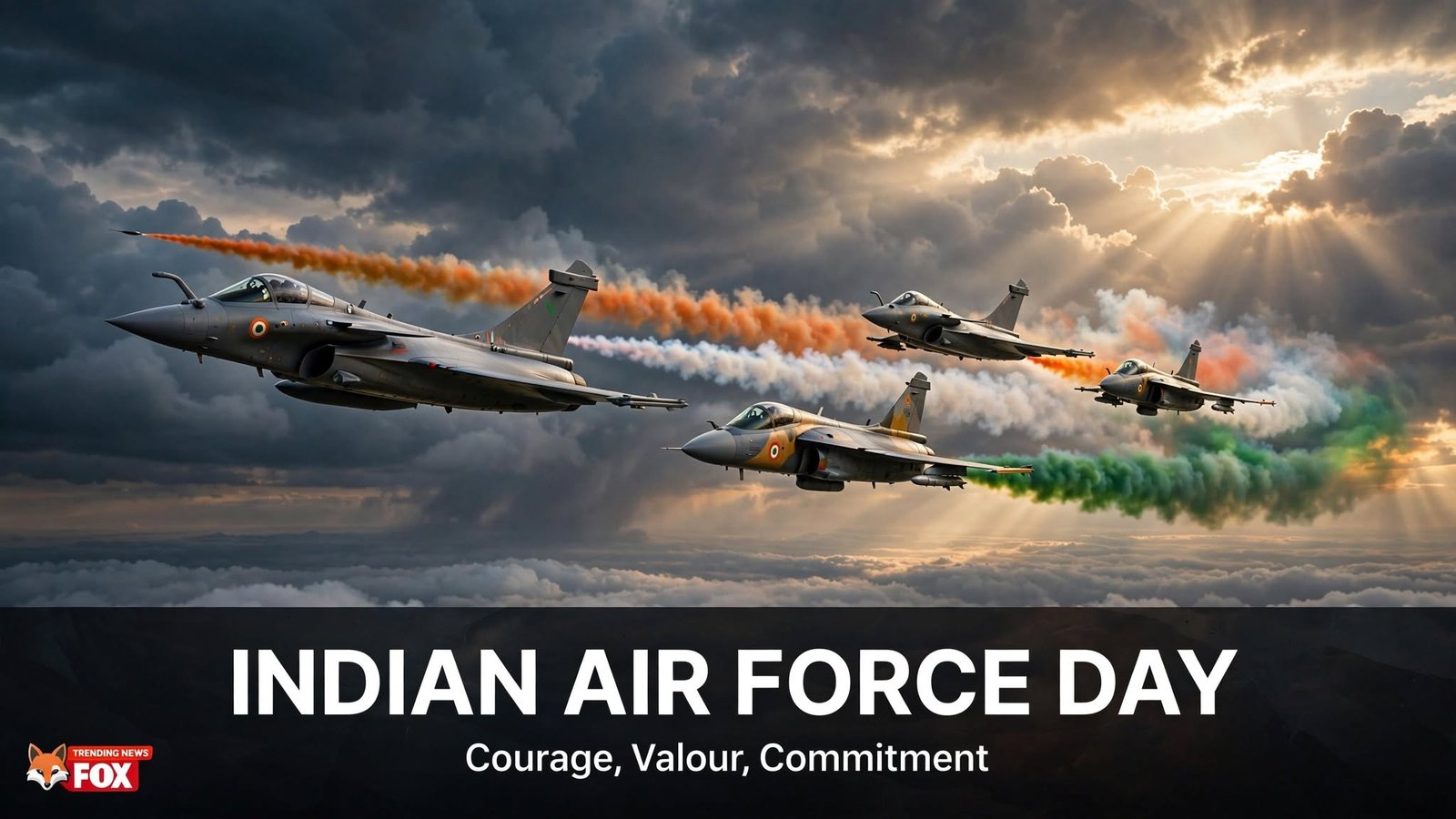
The Indian Air Force (IAF) played a pivotal role by deploying fighter jets like the MiG-21, MiG-27, and Mirage 2000. Operating at extreme altitudes where air density reduced aircraft maneuverability and weapon accuracy, IAF pilots executed precision bombing runs. The destruction of the enemy’s main supply depot at Muntho Dhalo severely weakened Pakistani logistical support and accelerated the Indian advance.
Naval Deterrence: Operation Talwar
Simultaneously, the Indian Navy initiated Operation Talwar, positioning its Eastern and Western Fleets in the Northern Arabian Sea. By blockading major sea routes, India effectively cut off maritime fuel supply lines, placing immense economic and military pressure on Pakistan.
Turning the Tide: Legendary Battles of Kargil
The success of Operation Vijay was forged through a series of tactical victories across treacherous terrain.
Key Battles of Operation Vijay (May – July 1999)
├── Tololing Top: First major tactical victory (June 13)
├── Point 5140: Strategic peak captured by Capt. Vikram Batra (June 20)
├── Tiger Hill: Iconic fortress recaptured by 18 Grenadiers (July 4)
└── Point 4875: Reclaimed; sealed the victory (July 7-9)
- Battle of Tololing: Recaptured on June 13, 1999, Tololing was the crucial turning point of the war. Capturing this ridge secured NH-1D and restored momentum to the Indian forces.
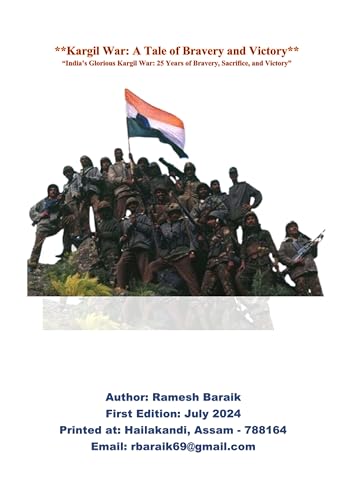
- Battle of Tiger Hill: Standing tall at nearly 17,000 feet, Tiger Hill was the most formidable enemy stronghold. On July 4, after an 11-hour grueling climb up vertical rock cliffs, the 18 Grenadiers, supported by intense artillery bombardment, successfully hoisted the Indian Tricolor atop the peak.
- Battle of Point 4875: Located in the Dras sector, this battle cleared enemy forces overlooking the main road and paved the way for the complete eviction of infiltrators by July 26.
Heroes of Kargil: Param Vir Chakra Recipients
The victory of Kargil was bought with the supreme sacrifice of 527 Indian soldiers, while more than 1,300 were wounded. Four of India’s braves were awarded the country’s highest military decoration, the Param Vir Chakra (PVC):
- Captain Vikram Batra (Posthumous) – 13 JAK RIF: Famous for his battle cry “Yeh Dil Maange More!”, Capt. Batra recaptured Point 5140 and Point 4875, laying down his life while saving a fellow wounded officer.
- Lieutenant Manoj Kumar Pandey (Posthumous) – 1/11 Gorkha Rifles: Exhibiting exceptional courage during the assault on Jubar Top, Lt. Pandey cleared multiple enemy bunkers despite critical injuries before succumbing to his wounds.
- Subedar Major (then Grenadier) Yogendra Singh Yadav – 18 Grenadiers: Surviving 15 bullet wounds, Yogendra Singh Yadav climbed a vertical cliff top at Tiger Hill to neutralize critical enemy gun positions.
- Subedar Major (then Rifleman) Sanjay Kumar – 13 JAK RIF: Charged an enemy bunker face-first at Area Flat Top, securing the position despite severe personal injuries.
Kargil Diwas: National Commemoration & Modern Significance
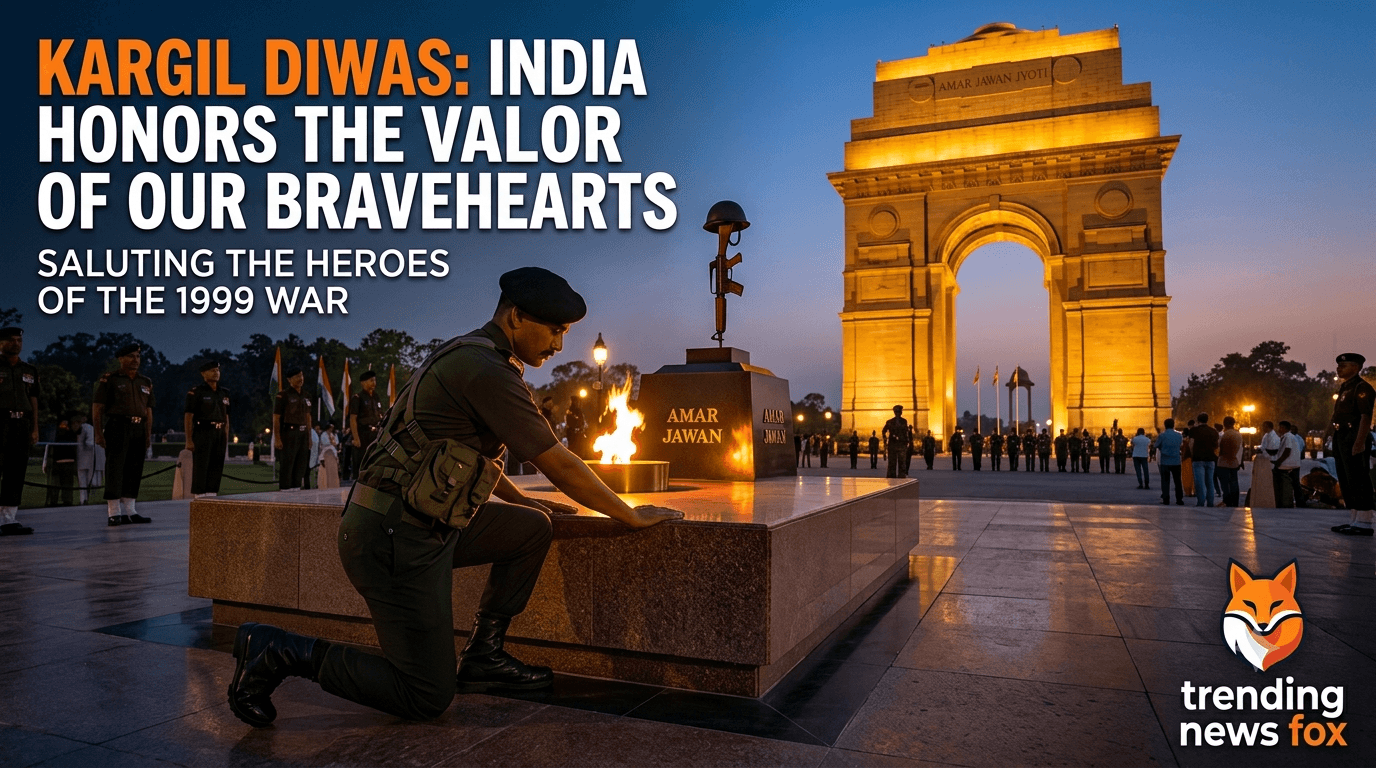
Every year on July 26, the primary national ceremony takes place at the Kargil War Memorial in Dras, located at the foothills of Tololing. The memorial displays a brass wall inscribed with the names of all 527 fallen martyrs, set against the backdrop of the very peaks they fought to reclaim.
Nationwide, dignitaries, veterans, and citizens lay wreaths at the National War Memorial in New Delhi and local war memorials across all states.
Key Takeaways from Kargil’s Legacy:
- Military Modernization: The conflict highlighted the need for real-time intelligence, surveillance assets, precision-guided munitions, and improved high-altitude gear, spurring major defense reforms.
- Unified Command: Kargil demonstrated the vital necessity of joint operations between the Army, Air Force, and Navy.
- National Unity: The war created an unprecedented wave of solidarity across India, reinforcing public respect for defense personnel and their families.
Kargil Diwas: Final Thoughts
Kargil Vijay Diwas is not merely a date on the calendar; it is a timeless symbol of patriotism, resilience, and unyielding devotion to the motherland. As we honor the heroes of 1999 today, their courage reminds us that the peace and security of our nation rest on the unwavering vigil of our brave armed forces.
Jai Hind!
Kargil Vijay Diwas: Honouring the Heroes of Operation Vijay
Every year on July 26, India pauses to observe Kargil Vijay Diwas, paying homage to the bravery, sacrifice, and tactical excellence of the Indian Armed Forces. It marks the successful conclusion of Operation Vijay in 1999, when Indian soldiers reclaimed high-altitude mountain posts along the Line of Control (LoC) in the Kargil district of Ladakh that had been covertly occupied by Pakistani infiltrators.
At Trending News Fox, we have compiled an exhaustive FAQ guide covering the essential history, key facts, military heroes, and national significance of Kargil Vijay Diwas.
Kargil Diwas: Frequently Asked Questions (FAQ)
1. What is Kargil Vijay Diwas and why is it celebrated?
Kargil Vijay Diwas (English: Kargil Victory Day) is observed every year on July 26 to commemorate India’s victory over Pakistan in the 1999 Kargil War. The day honors the bravery, valor, and supreme sacrifices of the Indian Armed Forces, who successfully ousted enemy infiltrators from high-altitude mountain posts in the Kargil-Dras sector of Ladakh.
2. When did the Kargil War happen, and how long did it last?
The Kargil conflict began in May 1999 when Pakistani soldiers and armed militants crossed the Line of Control (LoC) into Indian territory. The war lasted nearly 60 days, officially coming to a successful end on July 26, 1999, when the Indian military declared all occupied territories fully reclaimed.
3. What was “Operation Vijay”?
Operation Vijay was the official code name given to the Indian Army’s military offensive aimed at flushing out enemy forces from strategic high-altitude positions such as Tiger Hill, Tololing, and the Batalik sector.
4. What role did the Indian Air Force play in the Kargil War?
The Indian Air Force (IAF) launched Operation Safed Sagar to support ground troops. Operating at extreme altitudes above 20,000 feet—where thin air poses severe flight challenges—the IAF used fighter jets and precision-guided munitions to target enemy supply routes and fortified positions.
5. Who were the major Param Vir Chakra heroes of the Kargil War?
Four brave Indian soldiers were awarded the Param Vir Chakra (PVC)—India’s highest military decoration for wartime valor—for their heroism during the war:
- Captain Vikram Batra (13 JAK RIF) – Posthumously awarded for leading the capture of Point 5140 and Point 4875; famous for his wartime slogan “Yeh Dil Maange More!”
- Lieutenant Manoj Kumar Pandey (1/11 Gorkha Rifles) – Posthumously awarded for extraordinary leadership while clearing enemy positions at Khalubar Hill.
- Subedar Major (then Grenadier) Yogendra Singh Yadav (18 Grenadiers) – Awarded for climbing a 1,000-foot vertical cliff face to neutralize three enemy bunkers despite suffering multiple gunshot wounds.
- Subedar Major (then Rifleman) Sanjay Kumar (13 JAK RIF) – Awarded for charging an enemy bunker head-on and clearing high-altitude strongholds in the Flat Top area.
6. Where is the official Kargil War Memorial located?
The official Kargil War Memorial is located at the foot of the Tololing Hill in Dras, Ladakh—frequently cited as the second coldest inhabited place on Earth. The memorial features a giant pink sandstone epitaph engraved with the names of all 527 Indian bravehearts who made the supreme sacrifice during the war.
7. Why was the Kargil region strategically critical during the war?
The high-altitude peaks of Kargil overlook National Highway 1D (NH 1D), the vital road link connecting Srinagar to Leh. The infiltration aimed to sever this highway, cutting off Ladakh from the rest of India and isolating troops deployed on the Siachen Glacier. Reclaiming these peaks was essential to protecting India’s territorial sovereignty.
8. What makes the Kargil War unique in modern military history?
The Kargil conflict is widely studied in military doctrine because:
- It is one of the very few high-altitude mountain warfare conflicts fought at elevations between 16,000 and 18,000 feet.
- It was fought between two nuclear-armed nations.
- It was India’s first heavily televised war, bringing real-time updates directly into millions of living rooms.
Stay Updated with Trending News Fox: For real-time national security updates, military news, and live coverage of national events, follow Trending News Fox on all major social platforms.