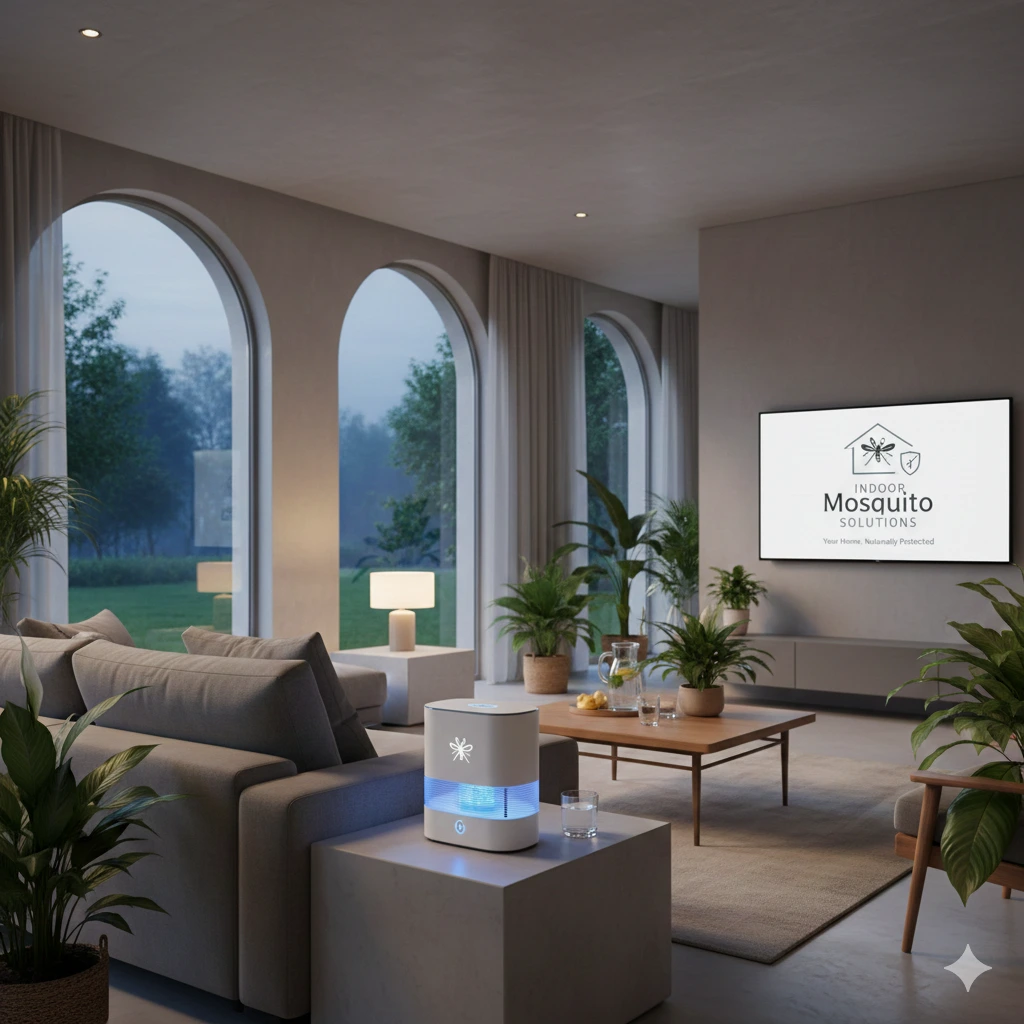
Discover effective indoor mosquito solutions to keep your home pest-free. Explore our range of products and tips for a comfortable living environment.
🦟 The New Frontier of Indoor Mosquito Solutions: Safer, Smarter, and More Effective Solutions
As the threat of mosquito-borne diseases continues to drive innovation, the landscape of Indoor Mosquito Solutions is evolving rapidly. The latest updates point towards a future defined by chemical-free traps, advanced spatial repellents, and the strategic use of smart technology to keep our homes protected.
Here is an overview of the most significant advancements and effective strategies for indoor mosquito solutions.
1. The Rise of Smart Traps: Attraction by Science
Traditional bug zappers, which rely solely on UV light, are now widely considered ineffective against biting female mosquitoes and can harm beneficial insects. The new generation of traps, however, is significantly smarter and more targeted:
- UV Light + Suction Fan Traps: These are becoming a staple for quiet, chemical-free indoor use. They attract mosquitoes with a specific light wavelength (often UV or LED) and then use a silent, energy-efficient fan to suck the insects into a secure, drying chamber. This design offers a silent, non-zapping, and safer alternative to older electric grids.
- CO2-Mimicking Traps (for Indoor/Outdoor Use): The most sophisticated traps, such as the DynaTrap series, employ titanium dioxide coatings that, when combined with UV light, produce small amounts of carbon dioxide(CO2). Since female mosquitoes track humans by sensing our CO2 breath, this mimics a biological lure, making the trap highly attractive and effective.
2. WHO-Endorsed Spatial Repellents: The Invisible Shield
A major development in vector control is the World Health Organization (WHO) conditional recommendation of spatial emanators (or spatial repellents) to complement existing tools like insecticide-treated nets (ITNs).
- How They Work: These are typically passive devices—paper-like sheets or plug-in diffusers—that release a low, continuous concentration of a mosquito-deterring vapor, such as a pyrethroid-based chemical like transfluthrin, into the air.
- Key Benefits:
- They work by confusing and repelling mosquitoes, preventing them from entering a treated space or locating a human host.
- They are effective for both daytime and nighttime protection, addressing the gap left by bed nets when people are active indoors.
- Studies suggest they can significantly reduce the risk of mosquito bites and the transmission of diseases like malaria and dengue.
3. Non-Toxic Topical Repellents: New Safe Standards
For personal, skin-applied protection, the focus remains on non-DEET alternatives that are highly effective and user-friendly:
- Picaridin: A synthetic compound derived from a substance found in black pepper plants. It is widely praised as an odorless, non-greasy, and highly effective alternative to DEET, offering long-lasting protection (up to 12-14 hours).
- Oil of Lemon Eucalyptus (OLE): This is the only plant-based repellent endorsed by the Centers for Disease Control and Prevention (CDC) as being comparable in effectiveness to low concentrations of DEET. It provides an excellent, natural option for indoor and short-term outdoor use.
- IR3535: Another non-DEET synthetic compound known for being gentle on the skin and providing reliable, long-lasting protection.
4. Back to Basics: Essential Home Management
While technology advances, the most fundamental and effective step remains source reduction and exclusion.
- Source Removal (Tip and Toss): Mosquitoes need only a few days of stagnant water to breed. Regularly tipping and tossing standing water from plant saucers, vases, and discarded containers is the single most crucial step in indoor and immediate outdoor mosquito control.
- Exclusion: Ensure all windows and doors have intact, properly sealed screens. This physical barrier is the first line of defense against indoor mosquitoes.
Indoor Mosquito Solutions: Conclusion
In conclusion, the modern battle against indoor mosquitoes is being fought with an array of sophisticated tools. By combining silent, targeted traps with the invisible protection of spatial repellents and maintaining an effective physical barrier, homeowners have more options than ever to create a safe, bite-free environment.
Also, read Healthcare Business Intelligence
Placement is often the most critical factor in a trap’s effectiveness!
UV light + fan traps work by attracting mosquitoes with light and sometimes CO2 (if it uses a titanium dioxide coating) and then using a fan to create suction. To maximize your catch rate, you need to intercept the mosquitoes before they find you.
Here are the optimal placement guidelines for indoor UV-light and fan mosquito traps:
💡 Optimal Indoor Placement for Mosquito Traps
1. Distance is Key: Away from People
The biggest mistake is placing the trap right next to where you are sitting or sleeping. You are a much stronger attractant (body heat, CO2, and scent) than the trap.
- Rule: Place the trap 6 to 8 feet (1.8 to 2.5 meters) away from beds, sofas, or primary seating areas.
- Goal: The trap should be placed on the mosquito’s flight path toward you, acting as an interception point.
2. Height: Fly Low to the Ground
Mosquitoes, especially those that bite, typically fly and hunt closer to the ground.
- Optimal Height: Place the trap 2 to 3 feet (60 to 90 cm) above the floor. A low table or a small stand works perfectly.
- Avoid: Don’t place it too high on a tall shelf or on a ceiling mount, as this is above their typical flight zone.
3. Location: Focus on Entry Points and Dark Corners
Mosquitoes rest and seek shelter in dark, quiet, and protected areas.
| Scenario | Best Location | Why It Works |
| Entry Points | Near windows, balcony doors, or in a hallway leading to the exterior. | Intercepts mosquitoes as they enter the home. |
| Dark Corners | In a secluded corner of the room, behind a large piece of furniture (like a sofa), or near a wardrobe. | Mosquitoes are naturally drawn to these shaded, low-light areas for resting. |
| Bedrooms | At the foot of the bed, across the room from where you sleep, or behind a curtain. | Traps them on their way to the bed, without the trap’s light disturbing your sleep. |
4. Environment: Eliminate Competition
The UV light and fan need to be the strongest draw in the area.
- Turn Off Competing Lights: For best results, especially in the evening, turn off other ambient light sources (ceiling lights, bright lamps, TV) in the trap’s vicinity.
- Avoid Airflow: Do not place the trap near open windows, strong fans, or air conditioner vents. Strong airflow can disrupt the mosquito’s flight path and counteract the trap’s suction mechanism.
5. Strategy: Pre-Activation (The “Boost”) for Indoor Mosquito Solutions
Mosquitoes are most active around dusk and dawn.
- Action: Turn the trap on 1 to 2 hours before you enter a room (like before going to bed) and keep it running continuously overnight. This ensures the room is cleared of active mosquitoes before you become the main attractant.
By following these guidelines, you maximize the trap’s ability to intercept and capture mosquitoes in their natural flight paths and resting areas.
Also, read Fed Rate Cut News: Latest Updates on U.S. Federal Reserve Policy Shift