
Discover meaningful ways to celebrate Friendship Day! Explore gift ideas, activities, and messages that strengthen your cherished friendships.
By Trending News Fox, News & Media Team, Kolkata
What is the History of Friendship Day? From Greeting Cards to a Global Phenomenon
Friendship is one of the most cherished human experiences, offering comfort, joy, and unwavering support. While true friends deserve appreciation every day, a specific calendar date is reserved worldwide to honor these unique bonds.
If you have ever tied a colorful friendship band around a friend’s wrist or posted a long appreciation message on social media, you might have wondered: How did Friendship Day actually begin?
The story behind Friendship Day is a fascinating evolution that spans nearly a century—moving from commercial marketing strategies in 1930s America to global diplomatic resolutions at the United Nations, and eventually becoming a massive cultural phenomenon across Asia and beyond.

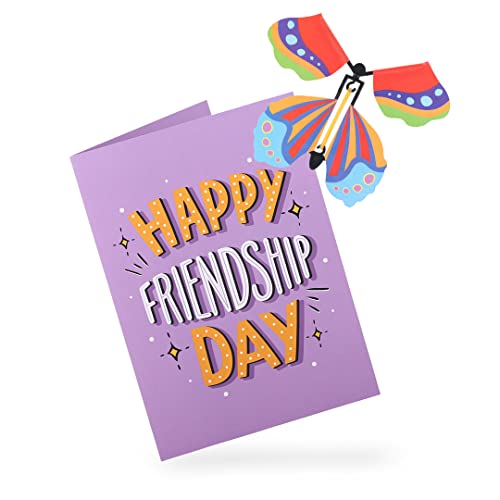
The Origin: A 1930s Marketing Innovation
The earliest recorded concept of a dedicated day for friends dates back to 1930. It was proposed by Joyce Hall, the founder of Hallmark Cards.
1930: Joyce Hall (Hallmark Cards) proposes August 2 as Friendship Day
   │
   ▼
1935: US Congress officially declares the First Sunday of August
   │
   ▼
1940s: Initial enthusiasm fades due to public resistance against "commercialization"
Hall designated August 2 as a day when people would acknowledge and honor their friendships by sending greeting cards. The timing was deliberate: early August was a quiet period between major holidays like Mother’s Day and Christmas.
In 1935, the U.S. Congress formally recognized the first Sunday of August as National Friendship Day. However, the initial momentum did not last long. By the 1940s, consumers began viewing the holiday as an artificial, commercial gimmick designed purely to sell paper cards. As a result, public interest in the U.S. waned, and the holiday quietly faded from mainstream American life.
The Turning Point: Paraguay and the World Friendship Crusade
While the holiday hit a standstill in North America, the true spirit of an international friendship celebration took root in South America.
On July 20, 1958, Dr. Ramón Artemio Bracho was sitting at dinner with a group of close friends in Puerto Pinasco, Paraguay. During their conversation, Dr. Bracho suggested an inspiring idea: Why not dedicate a specific day to celebrating universal friendship among all human beings, regardless of race, religion, or background?
“Friendship is the key to building peaceful, inclusive, and resilient communities across the globe.” — Dr. Ramón Artemio Bracho
That dinner gave birth to the World Friendship Crusade, an organization founded to foster fellowship and peace across international borders. The Crusade successfully lobbied for “Friendship Week” in Paraguay, designating July 30 as the culminating day.
Official Global Recognition by the United Nations
Dr. Bracho and the World Friendship Crusade spent decades advocating for the United Nations to officially recognize a global day of friendship.
Their persistence paid off over half a century later:
- 1998: The United Nations named Winnie the Pooh as the official World Ambassador of Friendship.
- 2011: The United Nations General Assembly officially declared July 30 as the International Day of Friendship (Resolution 65/275).
The UN framed the observance not just as a day for personal relationships, but as a crucial tool for promoting peace, bridging cultural divides, and fostering understanding between communities around the world.
Why Are There Two Dates for Friendship Day?
One of the most common points of confusion today is why Friendship Day is celebrated on different dates depending on where you live.
| Feature | International Day of Friendship | Traditional Regional Friendship Day |
| Primary Date | July 30 | First Sunday of August |
| Recognized By | United Nations (Global) | India, Nepal, Bangladesh, parts of Latin America |
| Core Theme | Global peace, cross-cultural unity, anti-prejudice | Personal bonds, school & college connections, peer affection |
| Common Custom | Diplomatic events, peace drives, community dialogues | Exchanging colorful friendship bands, gifts, group outings |
While international bodies observe July 30, nations like India continue the long-standing tradition of marking the occasion on the first Sunday of August.
The Youth Cultural Explosion: Friendship Bands and Pop Culture
In South Asia—particularly India—the holiday underwent a dramatic rebirth during the 1990s. Rather than purchasing formal greeting cards, young people transformed the occasion into an interactive, youth-centric celebration.
The defining symbol became the woven friendship band. Schoolchildren and college students would proudly tie as many colorful bands around each other’s wrists as possible, wearing them for weeks as tokens of loyalty.
Popular media cemented this tradition:
- Pop Culture Influence: Movies like the 1998 blockbuster Kuch Kuch Hota Hai brought friendship bands and the phrase “Friendship is love” into mainstream youth culture.
- The Digital Era: Modern celebrations have evolved from thread bands to social media posts, nostalgic photo collages, digital greetings, and instant group messages.
Key Takeaways
What started as a quiet greeting card campaign in 1930 has blossomed into a global celebration of human connection. Whether marked through diplomatic peace initiatives on July 30 or heartfelt reunions on the first Sunday of August, Friendship Day remains a reminder that the bonds we build with friends are among the most valuable assets in life.
What is the History of Friendship Day? Origin, Timeline, and Global Significance
By Trending News Fox Desk
Friendship Day is one of the most widely celebrated unofficial holidays in the world. From exchanging colorful friendship bands and handwritten cards to sharing digital messages across social platforms, the day serves as a annual reminder to honor the bonds that connect us.
However, the history behind Friendship Day is far richer—and more surprising—than a simple holiday card. It spans 1930s commercial marketing, post-World War political efforts, a Paraguayan dinner party, and official recognition by the United Nations.
At a Glance: The Origins of Friendship Day
| Key Milestone | Year | Originator / Organization | Significance |
| Greeting Card Concept | 1930 | Joyce Hall (Hallmark Cards) | Proposed August 2 as a day to send friendship cards. |
| US Congressional Proclamation | 1935 | US Congress | Declared the first Sunday of August as official National Friendship Day. |
| World Friendship Crusade | 1958 | Dr. Ramon Artemio Bracho | Proposed a global day during a dinner in Paraguay, setting July 30 as World Friendship Day. |
| UN Ambassador Announcement | 1998 | Nane Annan / United Nations | Named Winnie the Pooh as the World’s Ambassador of Friendship. |
| Official UN Recognition | 2011 | UN General Assembly | Declared July 30 as the official International Day of Friendship. |
The Historical Evolution of Friendship Day
1. The Early Commercial Days (1920s–1930s)
The earliest roots of Friendship Day trace back to the 1920s when the Greeting Card National Association promoted a day to send cards to friends. In 1930, Joyce Hall, the founder of Hallmark Cards, designated August 2 as a dedicated holiday for celebrating friends.
While popular initially, consumer resistance grew as people viewed it primarily as a commercial gimmick designed to boost card sales. By the 1940s, celebrations in the United States had largely faded.
2. Post-WWI Reconciliation & Official Proclamation (1935)
Recognizing the lingering devastation, mistrust, and division caused by World War I, the United States Congress formally declared the first Sunday of August as National Friendship Day in 1935. The initiative aimed to foster goodwill, unity, and peaceful cross-cultural connections.
3. The World Friendship Crusade in Paraguay (1958)
The modern international movement was born in Puerto Pinasco, Paraguay, on July 20, 1958. During a dinner with close friends, Dr. Ramon Artemio Bracho proposed establishing a foundation that promotes friendship and brotherhood across all human beings, regardless of race, religion, or ethnicity.
This led to the creation of the World Friendship Crusade and established July 30 as a dedicated day of celebration in South America.
“Friendship is a vital bridge between cultures, communities, and individuals that builds trust and fosters peace.”
— United Nations Resolution A/RES/65/275
4. Official United Nations Recognition (2011)
After decades of lobbying by the World Friendship Crusade, the United Nations General Assembly officially declared July 30 as the International Day of Friendship in 2011. The UN encouraging governments and civil society organizations to hold events that promote dialogue, mutual understanding, and reconciliation.
Frequently Asked Questions (FAQ)
Q1. Who started Friendship Day and why?
The original commercial concept was introduced in 1930 by Joyce Hall, founder of Hallmark Cards, to encourage people to exchange greeting cards. The global, non-commercial movement was spearheaded by Dr. Ramon Artemio Bracho in Paraguay in 1958 to promote international peace and unity.
Q2. Why are there two different dates for Friendship Day?
- July 30 (International Day of Friendship): Officially recognized by the United Nations globally.
- First Sunday of August: Celebrated in India, the United States, Bangladesh, and several other Asian and Latin American nations, following the 1935 US Congressional proclamation.
Q3. Is Friendship Day an official holiday?
The UN’s International Day of Friendship on July 30 is an official international observance, though it is generally not a public bank holiday. Countries observe it through community activities, school programs, and social gatherings.
Q4. Who is the UN Ambassador of Friendship?
In 1998, Nane Annan (wife of former UN Secretary-General Kofi Annan) named Winnie the Pooh as the official World’s Ambassador of Friendship at the United Nations.
Q5. How is Friendship Day celebrated around the world?
Traditions vary by culture:
- India and South Asia: Tying colorful wristbands (friendship bands), exchanging cards, chocolates, and flowers.
- Paraguay & South America: Playing “Amigo Invisible” (Secret Friend), where gifts are exchanged secretly among group members.
- Global Digital Trends: Sharing personalized social media posts, stories, and nostalgic photos online.
Also, read Happy Saint Valentine’s Day 2026: Meaning, History, Celebrations, Traditions & Latest Trends